

















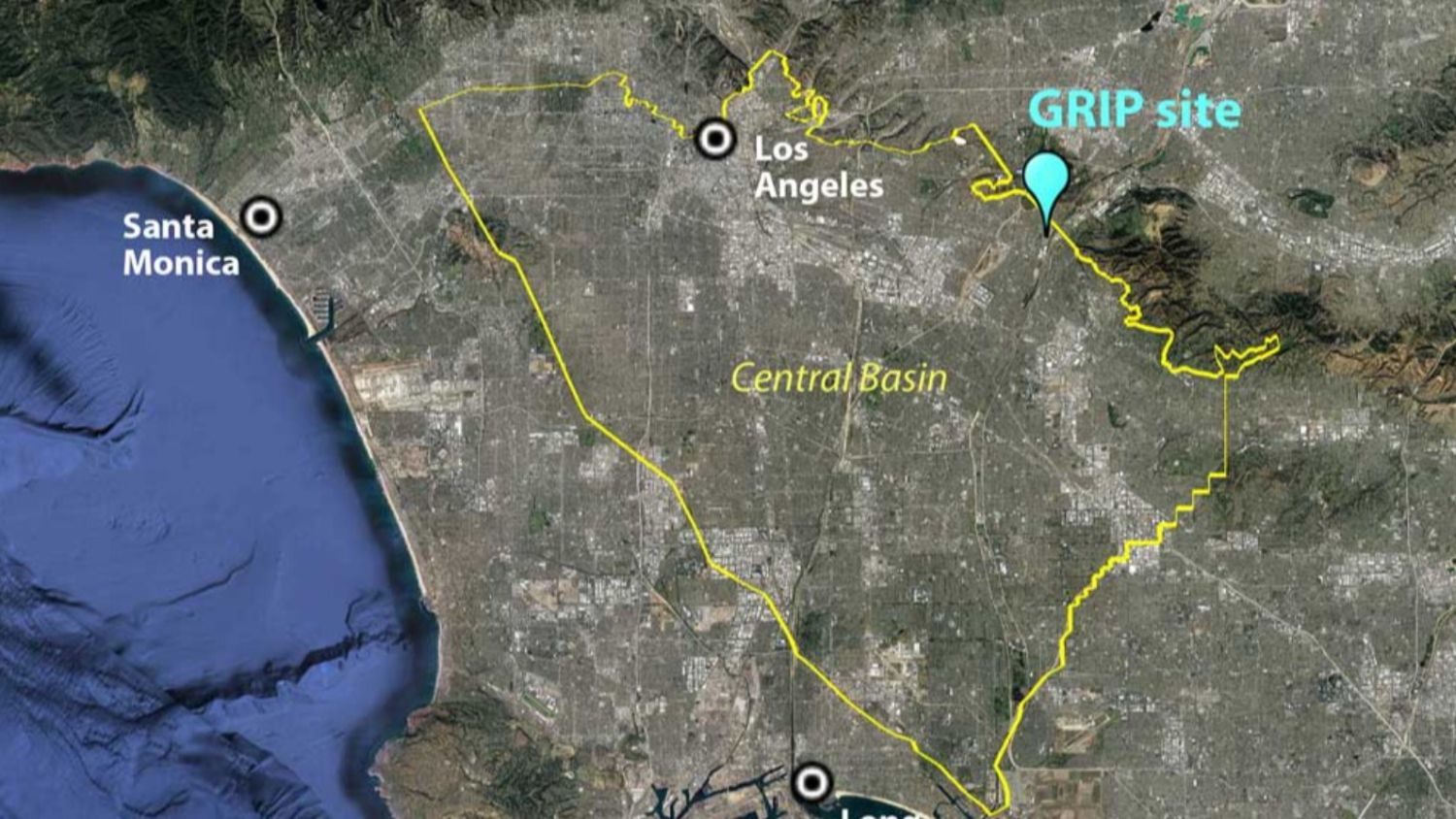

The U.S. Geological Survey (USGS) has released a new assessment revealing an estimated 61 million barrels of technically recoverable undiscovered oil and 240 billion cubic feet of natural gas in California’s Los Angeles Basin.
The report underscores the enduring role of the Los Angeles Basin as an oil production hub, even as new discoveries dwindle nearly 150 years after initial exploration began.\“USGS energy assessments typically focus on undiscovered resources — areas where science tells us there may be a resource that industry hasn’t discovered yet,” said Sarah Ryker, acting director of the USGS. “In this case, the Los Angeles Basin has little remaining undiscovered oil.”
A Historic Oil Center with Limited New Potential
Since the 1880s, the Los Angeles Basin has produced or discovered 9 billion barrels of oil — equivalent to 14 months of current U.S. oil consumption. The latest findings focus on four assessment units, including one for conventional oil, two for shale oil, and one for shale gas.
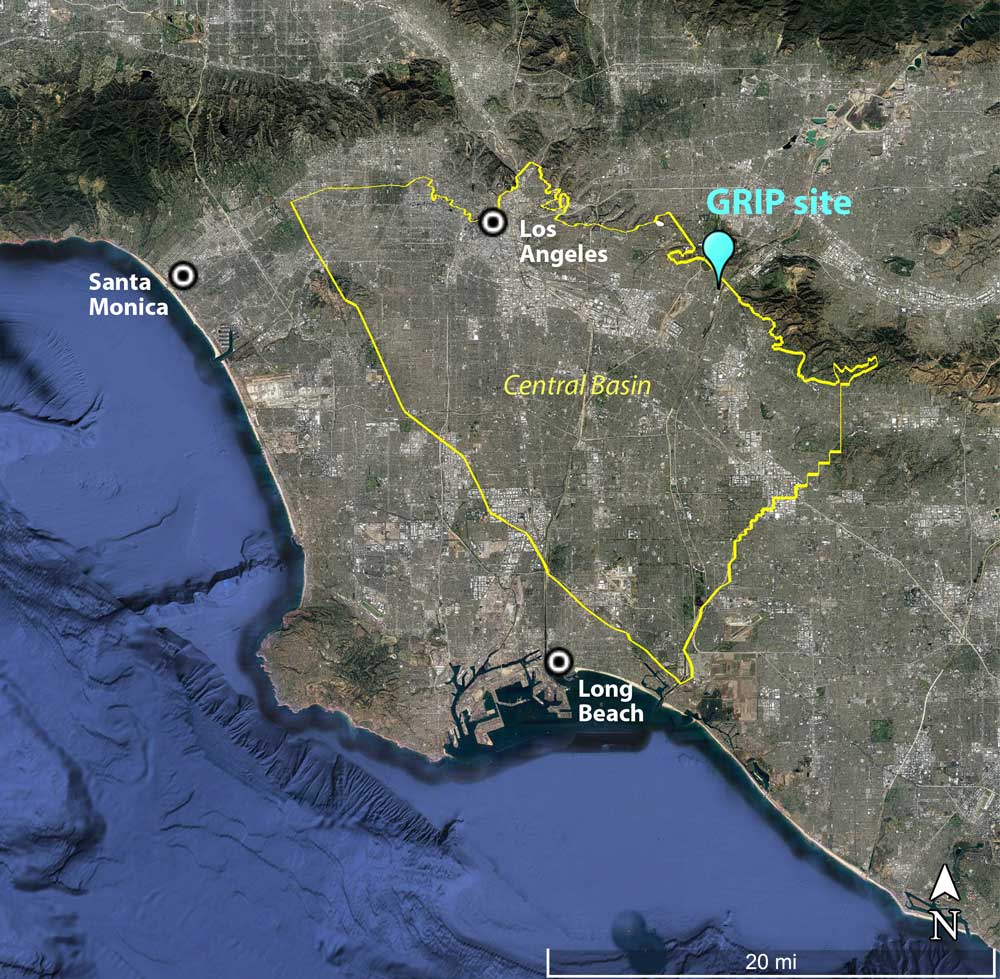
The basin spans the coastal plain and waters of Los Angeles, East L.A., and parts of Orange County, extending north to the Santa Monica Mountains, east to the Angeles National Forest and Sierra Nevada foothills.

50 Years of Energy Assessments Fueling National Insight
USGS energy resource assessments began following the 1970s oil embargo, which emphasized the importance of identifying and quantifying domestic resources. These evaluations have since become a vital tool for shaping U.S. energy policy and land management.
The agency’s Energy Resources Program continues to assess priority geologic provinces in the U.S. and abroad, adapting its methods to advances in energy extraction, including fracking and horizontal drilling.
“The shift to horizontal drilling with fracking has revolutionized oil production, and we’ve changed our approach with it,” said USGS geologist Christopher Schenk.
Supporting Land Management and Industry Decision-Making
The findings are used by agencies such as the Bureau of Land Management to inform land-use planning and by energy companies to guide exploration efforts. These assessments also play a strategic role in understanding global energy markets and supporting energy independence.
The full fact sheet on the Los Angeles Basin oil and gas assessment is available on the USGS website.