



















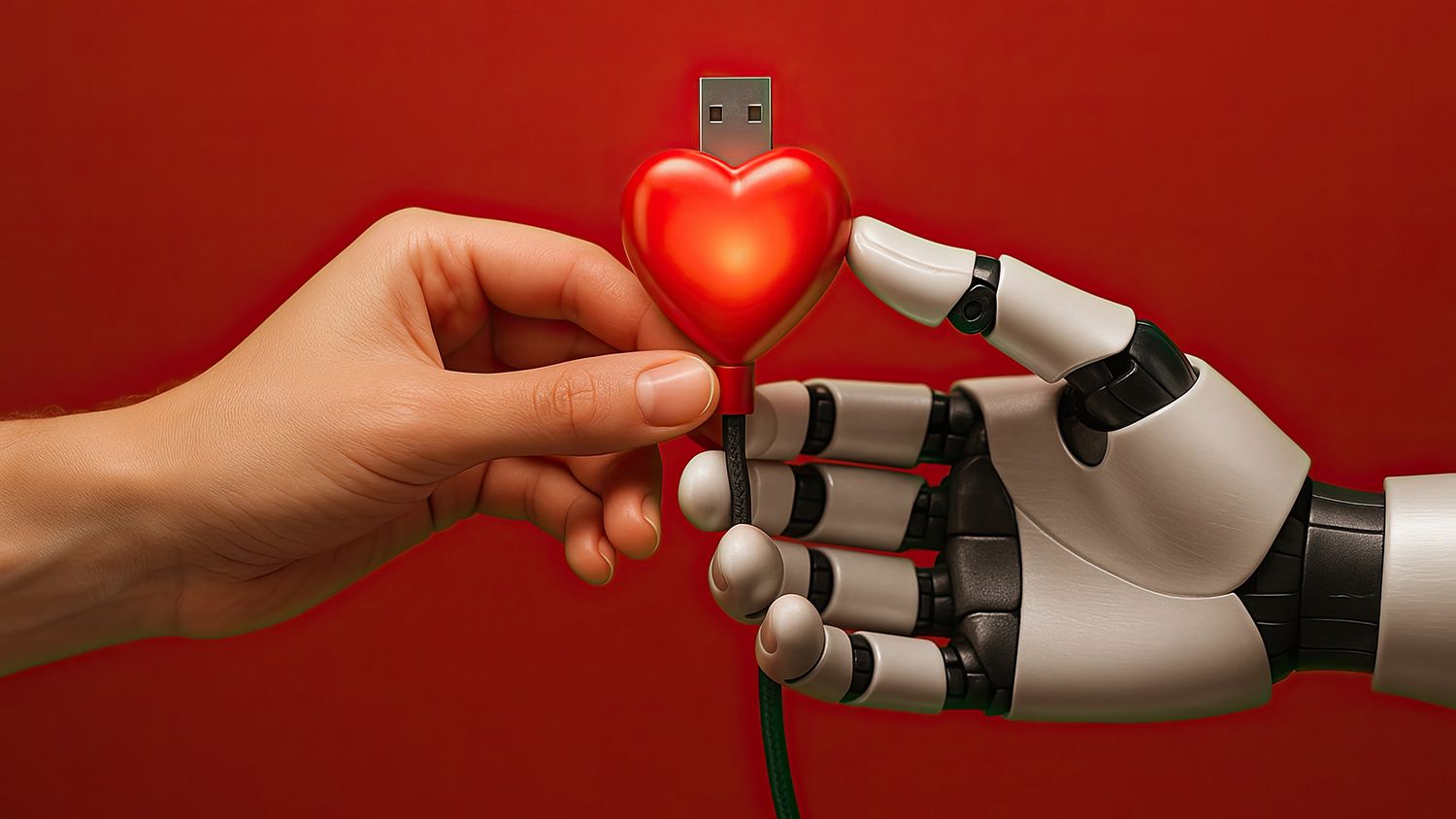

In our bedrooms, classrooms, and workrooms, AI chatbots are slipping into roles once held by best friends, mentors, even therapists. For kids and teens, the swap feels effortless—machines that never judge, never sleep, always answer. But for parents, teachers, and privacy watchdogs, it’s a red flag: what happens when we start trusting algorithms more than people?
Children Turning to AI for Connection – What Could Go Wrong?
A new report from Common Sense Media on kids and AI chatbots paints a striking picture: nearly a quarter of children surveyed (23%) have sought advice from AI systems, while more than a third (35%) say chatting with one feels like talking to a friend. Among vulnerable children—those experiencing isolation, anxiety, or family instability—the percentage climbs to 50%.
Perhaps most troubling, 12% of kids overall, and nearly a quarter of vulnerable kids, say they talk to AI chatbots because they have no one else.
“They’re not just using AI for homework help or curiosity,” one child development expert noted. “They’re leaning on it for emotional support. That means AI isn’t just a tool anymore—it’s filling gaps in human connection.”
The risks are clear: there are no guardrails tailored for children, adult supervision is rare, and most kids lack the ability to spot manipulation or harmful advice. Yet 40% of surveyed children said they have no concerns about following chatbot guidance.
Adults Face Different Risks: Privacy and the Law
For adults, the danger looks different. Many have grown comfortable treating AI systems like digital journals or coaches—confiding frustrations, legal questions, or even personal secrets. But OpenAI CEO Sam Altman recently warned that this trust may be misplaced.

In an August appearance on This Past Weekend with Theo Von, Altman confirmed that ChatGPT logs are not protected under doctor-patient, therapist, or attorney-client privilege. If compelled by court order, OpenAI can provide user chat histories—even deleted ones.
“People use it, young people especially, as a therapist, a life coach,” Altman said. “If you talk to a therapist or a lawyer about those problems, there’s legal privilege for it. We haven’t figured that out yet for AI.”
The lack of legal protections means a chat typed in private could later resurface in court—during a divorce, tax investigation, or corporate dispute. A recent U.S. court order already requires OpenAI to retain logs indefinitely as part of ongoing litigation. Even Altman himself admitted the system is flawed, calling it “very screwed up.”
Shared Themes: Trust and Vulnerability
While the details differ, both children and adults are placing unusual levels of trust in AI systems that were never designed to act as caretakers or confidants. Kids risk emotional dependence on a tool that cannot replace human empathy. Adults risk legal exposure for assuming privacy that does not exist.
The common thread, experts say, is loneliness and convenience. Chatbots are always available, never judgmental, and quick to respond—qualities that make them appealing, but also dangerous if relied on in place of real relationships or secure professional counsel.
Time For Engagement: We’re All Working With A New Superpower – Now.
Advocates are calling for urgent measures: AI literacy programs in schools, clearer privacy laws, and stronger safeguards around how companies store and use sensitive user data.
Until then, both parents and professionals are being urged to set boundaries. Children should only use AI chatbots under adult supervision. Adults should think twice before confiding information they wouldn’t want disclosed in public.
As attorney Jessee Bundy warned on X, “It might feel like you’re talking to a therapist or coach. But in the eyes of the law, you’re talking to a machine—one that logs everything, stores it, and can share it when required.”
Or, put more simply: AI feels private. But it’s not. Ye Be Warned.
The decisions we make now about how AI interacts with us, our children, and our careers will be profound. Now is the time to act, and interact with corporate leadership and elected officials to steer our future away from potential societal catastrophe.