











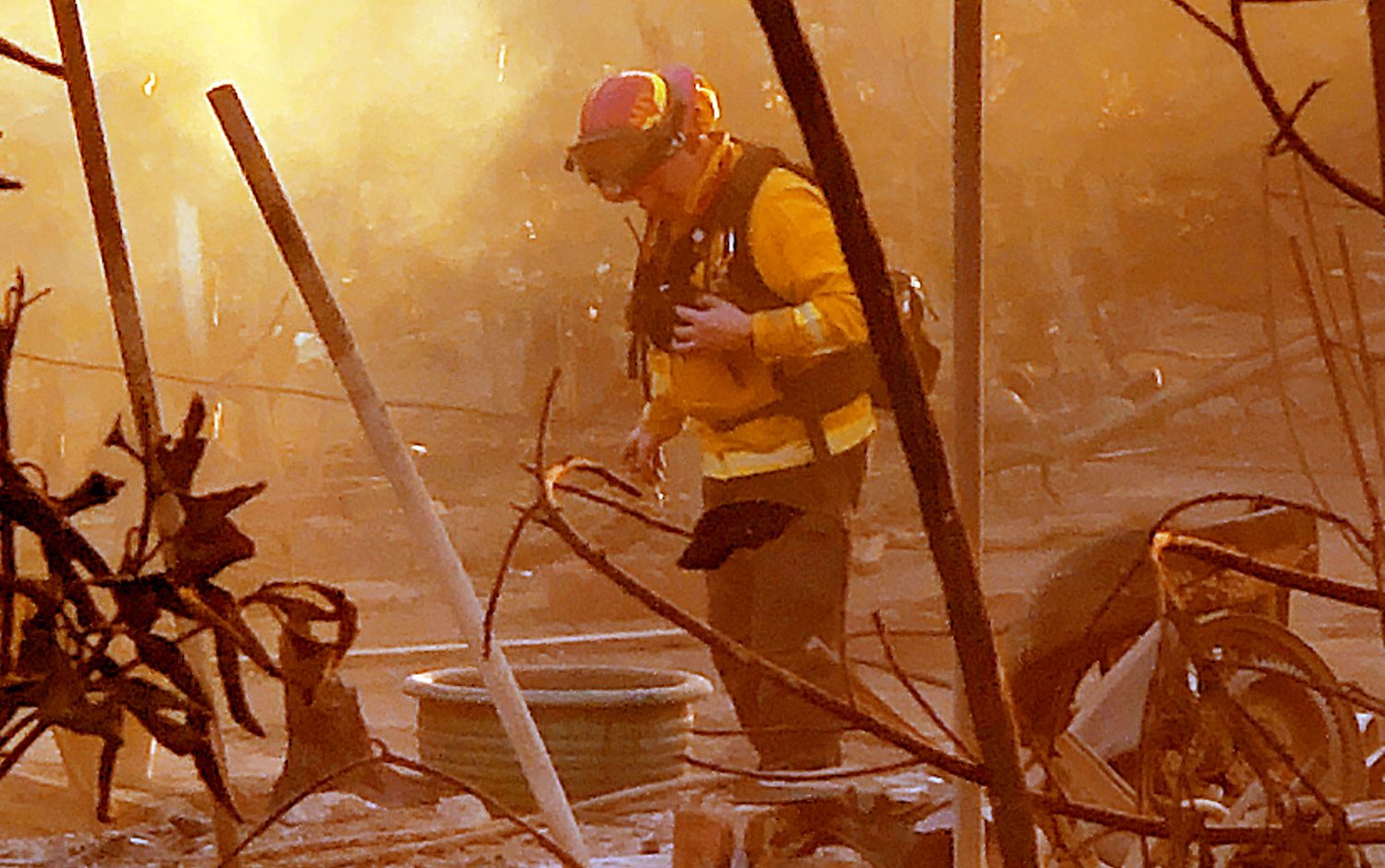

State Farm has won approval for the state’s first-ever emergency interim rate increase, allowing the insurer to raise rates for homeowners, renters, and landlords starting June 1. The decision, issued by Insurance Commissioner Ricardo Lara on Tuesday, follows a judge’s ruling that the hikes are necessary to stabilize the company’s finances after the devastating Los Angeles County fires in January.
State Farm, California’s largest insurer, will implement a 17% increase for homeowners, 15% for renters and condominiums, and 38% for rental dwellings. The move comes amid allegations from fire survivors and lawmakers that the company has mishandled claims, causing delays and denials of payments.
State Farm Cites Financial Distress from LA County Fires
Earlier this year, State Farm requested the emergency hike, claiming financial distress and over $7 billion in expected claims due to the fires. The Insurance Department initially supported the increase, but Commissioner Lara sought further details on State Farm’s finances and its ability to rely on its parent company, State Farm Mutual.

Administrative law judge Karl-Fredric Seligman, after a three-day public hearing, described the decision as a “rescue mission” to ensure the insurer’s stability while safeguarding policyholders. Lara adopted the ruling, emphasizing that the move was an urgent measure to protect California’s insurance market.
Consumer Groups, Lawmakers Criticize Approval
The decision has drawn criticism from Consumer Watchdog, an advocacy group that argued against the rate hike, citing Proposition 103, which requires rate justifications before approval. Carmen Balber, the group’s executive director, called the decision a “great disappointment,” as consumers are now forced to pay increased premiums before State Farm proves its case at a full rate hearing later this year.
Survivors of the LA-area fires and local lawmakers have also condemned the decision, arguing that State Farm should not be rewarded with higher rates while unresolved claims issues persist.
“That’s exactly the problem,” said Joy Chen, leader of the Eaton Fire Survivors Network. “Approving this rate hike without reviewing State Farm’s conduct sends a chilling message to all Californians.”
State Farm Promises Claims Improvements, But Tensions Remain
State Farm CEO Dan Krause responded to Commissioner Lara’s inquiries, stating that only 3% of over 10,000 claims had received complaints. Krause promised transparency on claims handling procedures but rejected demands to increase contents coverage without inventories beyond the industry-leading 65%.
Commissioner Lara left open the possibility of a formal investigation into State Farm’s claims handling practices, stating, “Nothing is off the table.”
State Sen. Sasha Renee Perez, a Democrat from Pasadena, vowed to maintain pressure on the Insurance Department, highlighting the urgent needs of displaced fire survivors still living in temporary shelters.
Broader Implications for California’s Insurance Market
In his ruling, Judge Seligman acknowledged the unprecedented nature of the decision, noting that it could set a precedent for other insurers to seek similar emergency increases following major disasters. However, the judge stressed that State Farm must still justify the rate hikes at a full hearing, now expected in October, and agreed that policyholders would receive refunds if final rates are lower than the interim rates.
State Farm has also agreed to obtain a $400 million surplus note from its parent company and to halt non-renewals of policies through year-end.
While the company claims the hikes are necessary to avoid further credit downgrades and maintain coverage for over 1 million California homeowners, Consumer Watchdog remains firm that the increases lack actuarial justification.