



















By John Tanagho | Online Safety Expert and Parent
For the last decade, I have worked in the field of child safety online. I’ve long known all too well the dangers of the internet, social media, and smartphones for today’s young people. Recently, I reviewed the extensive evidence about the harms of problematic or “addictive” use of smartphones in New York Times bestseller, “The Anxious Generation,” by social psychologist and NYU professor, Jonathan Haidt. It is a must read for any parent, educator, and young person.
Last year, the US Surgeon General issued an advisory warning that social media carries “a profound risk of harm to the mental health and well-being of children and adolescents.” Social media is as harmful to youth as smoking or alcohol and should come with warning labels, he said. Nearly half of American teens say they are online “almost constantly.” And, critically, student access to and use of smartphones during school hours can harm their academic and social education, while contributing to an epidemic of addictive or problematic use of smartphones and exposure to harmful age-inappropriate content.
That’s why it’s not surprising that there is a growing national movement for phone-free schools. In fact, our Nation’s largest teachers’ unions – the National Education Association and American Federation of Teachers – were among forty organizations who signed a March 2025 letter calling on schools to adopt a “bell-to-bell” phone-free policy, including during lunch, recess, and in between classes.

Giving students a real break from their phones helps them socialize and learn, while allowing teachers to focus on teaching instead of monitoring in class device use.
Studies have shown that phone-free schools enhanced student performance among low-achieving students without negatively impacting high-achievers. Schools have also reported a decrease in cyberbullying incidents and more frequent face-to-face interactions among students. For instance, a 2024 report by Scientific American found that “[a]vailable data in the scientific literature back this view: phone bans do help students do better in class.” And a 2023 UNESCO report found that phones are disruptive in class and that banning such technology in schools “can be legitimate if [it] does not improve learning or if it worsens student well-being.”
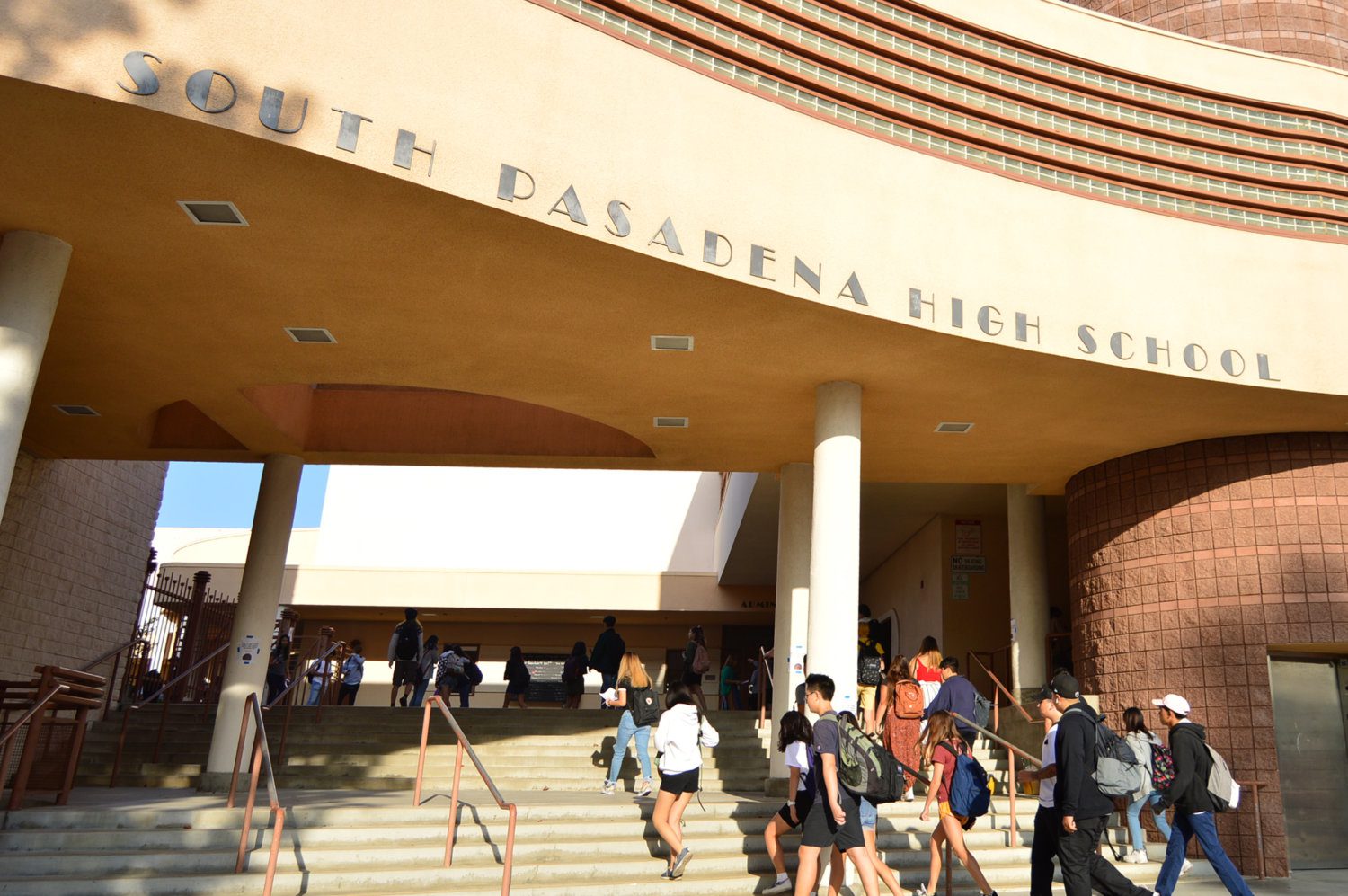
While South Pasadena Unified School District reviews its mobile devices policy, it should take note that top 25 school districts in California have gone phone-free bell-to-bell, including La Canada, San Mateo, and Redondo Beach Unified. Most recently, New York became the 4th state to announce a state-wide “phone-free, bell-to-bell” school policy.
While some argue that students need phones to communicate with parents during a lockdown, the safest environment is one where students are 100% focused on listening to instructions from the adults on campus, not distracted by their phones. Classrooms where students are still and quiet, not where buzzing phones alert intruders to their exact location, are the safest during a lockdown scenario.
The bottom line is that students deserve the school hours free from the distractions of phones and social media. That’s why as a parent of South Pasadena students, I believe the school district should implement a “phone-free bell-to-bell” school policy across elementary, middle, and high school.
A first step would be releasing anonymized aggregate results of the district-wide mobile device policy survey and creating a space for in-person dialogue between parents and the SPUSD Ed Tech committee. Come to SPUSD board meetings to join the conversation (email [email protected] to sign up for board meeting notifications).