

















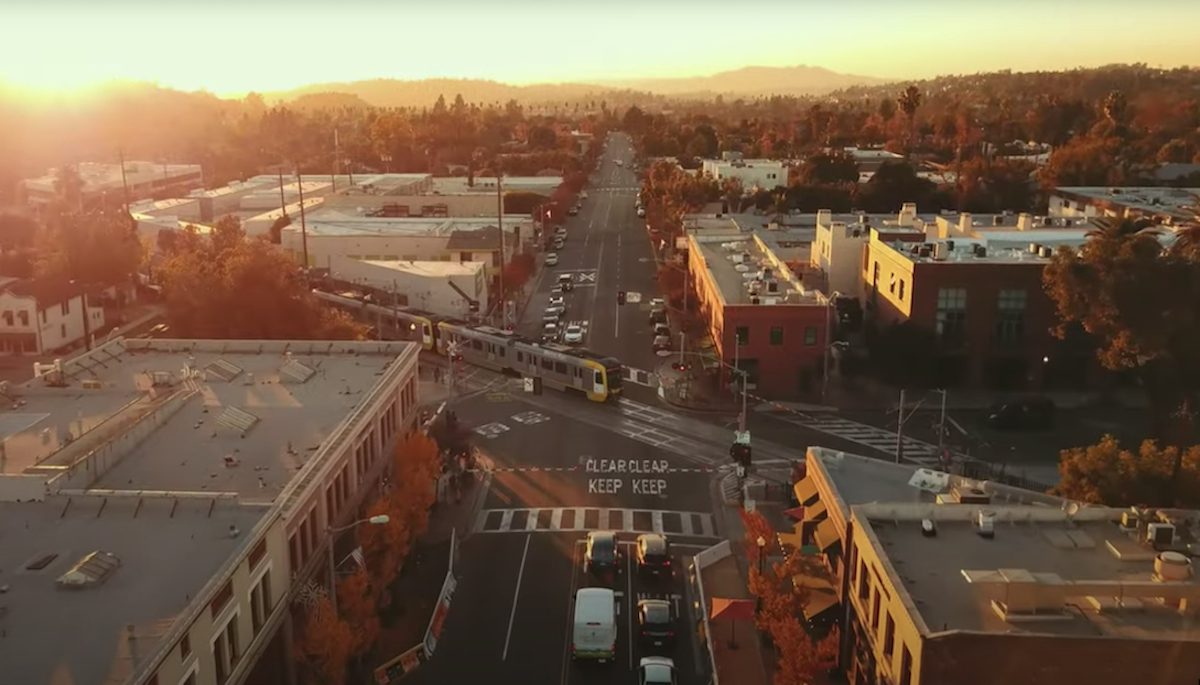

As South Pasadena prepares for the upcoming November 5 election, residents are set to vote on Measure SP, a significant local ballot measure that could reshape the town’s landscape and housing policies. The measure seeks to modify the current 45-foot building height limit in specific areas of the city, which has been in place since 1983, and allow for greater flexibility in housing development. Supporters and opponents of the measure have put forth strong arguments, and with state housing mandates looming, this vote will be critical in determining South Pasadena’s future.
For Starters, a Few Facts to Address Rumors and Confusion
Some of these bullet points may not immediately make sense unless you’ve been following the discussion closely over the past several months, but they should become clearer as you read the article and conduct your own research. For reference, a link to the proposed resolution is provided at the end.
- Measure SP was not mandated by the State of California: The decision to place Measure SP on the ballot was made by the current South Pasadena City Council, not required by state law.
- Voting ‘Yes’ or ‘No’ on Measure SP will not lead to immediate construction or state penalties: Neither result will cause instant groundbreaking for new developments or automatic fines from the state.
- There’s still time to adjust the plan: Should Measure SP fail, there is a nine-month window to revise the language, make corrections, and protect residents’ voting rights. It’s a challenging process, but achievable.
- Confusion among residents: According to an informal poll conducted by The South Pasadenan, around 60% of residents are unclear on how Measure SP will affect the town.
- Majority oppose height limit changes: The same informal poll found that approximately 72% of residents are against changing the current height limit.
- Local design & architect professionals: While most local architects and design-builders support Measure SP, some remain opposed. Their reasons differ, but all agree that reforming the planning department and streamlining the permitting process is crucial.
- An excellent City plan, but needs work: Measure SP is part of a well-detailed overall city plan, but it contains technical issues that need to be addressed. Supporters of Measure SP generally prefer to pass it now and fix the details later, while opponents worry that City Hall lacks the resources and decision-making framework to get it right without voter oversight. They argue that retaining control over height limits, even if there’s a compromise for taller buildings with clear restrictions, is the better option.
What is Measure SP?

Measure SP addresses the long-standing 45-foot building height limit, which was established through voter initiative nearly four decades ago. This limit has helped preserve South Pasadena’s historic, small-town feel by preventing the construction of taller buildings that could alter the character of the community.
The measure proposes to remove the voter imposed 45-foot height limit for residential and mixed-use projects in areas where the housing element anticipates a base density of more than 50 dwelling units per acre. Specifically, the measure would impact certain commercial corridors and mixed-use zones, including downtown South Pasadena, Huntington Drive, and the Ostrich Farm area. The height restrictions would remain in place for single-family residential neighborhoods, but there would be no voter imposed height limit left in place overall.
Measure SP is part of the city’s effort to comply with California’s housing mandates, including the state’s Regional Housing Needs Assessment (RHNA), which requires South Pasadena to plan for the development of around 3,000 new housing units by 2029, including affordable housing.
The Case for Measure SP: Compliance with State Mandates and Increased Housing
Supporters of Measure SP argue that the measure is necessary to meet state housing requirements, avoid legal consequences, and provide much-needed housing for working families, seniors, and individuals in South Pasadena.
- Avoiding State Penalties: California’s Department of Housing and Community Development (HCD) has identified the 45-foot height limit as a constraint to the city’s ability to meet its housing obligations. Failure to pass Measure SP could lead to penalties, including substantial fines, loss of grant funding, and a loss of local control over zoning decisions. Without compliance, South Pasadena could be subject to the “builder’s remedy,” which would allow developers to bypass local zoning laws entirely, leading to unchecked growth without any caps on height or density.
- Housing Affordability: Proponents of the measure emphasize the need for more affordable housing in South Pasadena, particularly for middle-class families and seniors. By allowing taller buildings in key areas, the city can increase housing supply, which could help stabilize rising housing costs and provide more options for low- and moderate-income residents.
- Economic Growth and Sustainability: Increasing the availability of housing in commercial and transit-oriented areas would promote walkability and reduce the dependence on cars, aligning with sustainability goals. Furthermore, the development of housing in these areas would bring more customers to local businesses, boosting the local economy.
- Maintaining Local Control: While some voters fear losing control, supporters argue that Measure SP actually protects local decision-making. Without it, the state could impose broader, less favorable changes through the builder’s remedy, leaving the city with little say in the process, if the City does not comply with the nine-month deadline.
The Case Against Measure SP: Losing Voter Control and the Risk of Overdevelopment
Opponents of Measure SP, however, argue that the measure would lead to overdevelopment, fundamentally altering the character of South Pasadena, and remove residents’ ability to vote on future building height decisions.
- Loss of Voter Control: At the heart of the opposition is the concern that Measure SP would remove the ability for residents to vote on building height limits in the future. While the current 45-foot limit has been a cornerstone of voter-imposed local control, the measure would shift decision-making power to the City Council and technical experts, eliminating direct residents’ authority on one of the most critical aspects of development.
- No Clear Replacement for Height Limit: Critics point out that Measure SP eliminates the 45-foot limit without replacing it with a new, firm cap. Although the City Council would be required to set height limits based on technical studies, there is no definitive assurance that future developments won’t exceed what the community finds acceptable, potentially leading to taller, denser buildings in key areas of the city.
- Risk of Overdevelopment: By lifting height restrictions in commercial and mixed-use zones, Measure SP could open the door to large-scale development projects that could overwhelm the city’s infrastructure and alter the historic character of South Pasadena. Some worry that developers, driven by profit, would push for taller buildings, resulting in increased traffic, parking issues, and a loss of the city’s small-town charm.
- Send It Back for Revision: Opponents argue that while housing is needed, Measure SP should be revised to ensure residents retain the right to vote on building height limits and that a clear, protective height cap is put in place. They advocate for sending the measure back for revision rather than passing it in its current form.
Additional Concerns: The Hidden Costs of Measure SP
In addition to concerns over height limits and development, many opponents, including some vocal community members on social media, are raising questions about the financial implications of Measure SP. While the measure addresses the need for housing, it remains silent on how the city will fund the expansion and maintenance of infrastructure required to support these new developments.
- Costs of Expanding Municipal Services: Opponents argue that the developers will only pay for the immediate impact of their projects—such as connection fees for water and sewage, school fees, and building inspection fees—but not for the broader costs to municipal services. Firefighting resources, street and sidewalk maintenance, and access to water during droughts are all existing issues that could worsen with an increase in housing units.One community member asked: “Shall we continue to have an agreement with Pasadena to fight fires in high rises (when our firefighters lack that equipment), or shall we buy new equipment in the future?” These types of questions highlight the need for transparency about the costs South Pasadena will face if the measure passes, including potential increases in taxes, fees, or bonds.
- Parking and Traffic Concerns: With taller buildings come higher population densities, which raises concerns about the availability of parking and increased traffic in residential areas around downtown. Residents have voiced concerns that parking shortages could worsen, and the measure does not provide clear solutions to address this issue.
- Water and Drought Issues: South Pasadena, like much of California, has faced water shortages and rising water costs during extended droughts. The addition of more housing units will increase demand on already-strained water resources, with no clear plan in Measure SP on how the city will handle this added burden. Critics argue that the measure leaves too many financial and infrastructural questions unanswered, adding uncertainty about how these developments will be managed long-term.
State Mandates and Local Control: A Delicate Balance
Measure SP arises from a settlement agreement the city entered into after being sued for not complying with state housing laws. The state mandates require South Pasadena to zone for additional housing, but the way the city meets these requirements is at the core of the debate. Supporters of Measure SP argue that voting “Yes” allows the city to manage growth responsibly while complying with state law. Opponents, however, are wary of the long-term costs and potential overdevelopment, stressing the need for greater transparency and financial planning. Also, voting away their right to vote on the issue is alarming to many.
What’s Next?
The outcome of Measure SP will have long-lasting effects on South Pasadena’s development and housing landscape. Voting “Yes” means the city will comply with state housing mandates by allowing taller buildings in specific areas, but at the cost of losing voter control over future height limits. Voting “No” sends the measure back for revision, allowing residents to retain their voting power and demanding clearer height restrictions to protect the city’s character and more detailed plans on how new developments will be funded.
As the election approaches, residents are encouraged to do their own research, consider the implications of Measure SP, and make an informed decision that reflects their vision for the future of South Pasadena.