


















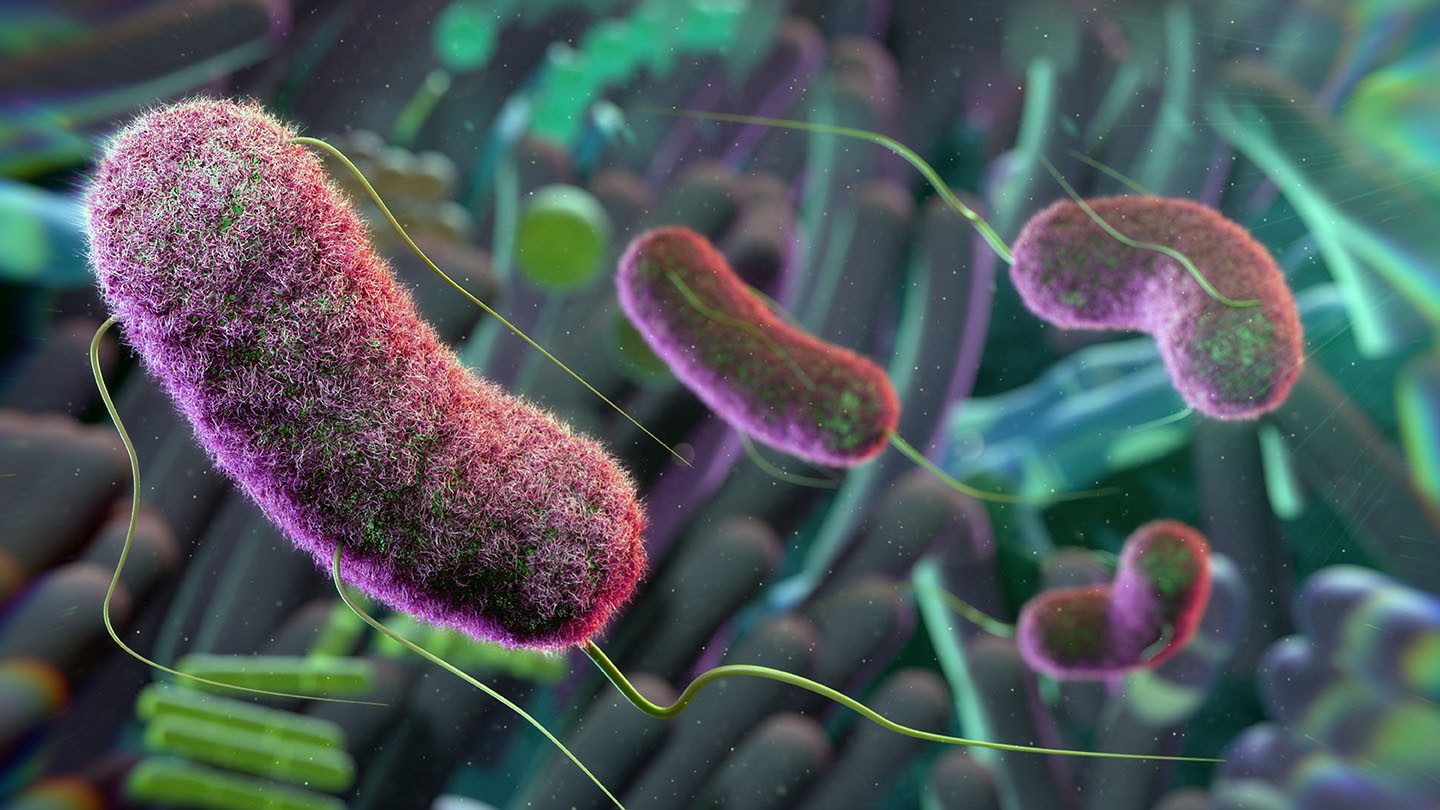

A preclinical study by Cedars-Sinai researchers has uncovered a potential connection between gut bacteria and blood vessel inflammation, shedding light on how Kawasaki disease may develop and opening up avenues for alternative treatments.
Kawasaki disease, a rare but serious illness that affects children under five, is the leading cause of acquired heart disease in children worldwide. The findings, published in Circulation Research, suggest that gut microbiota may play a role in triggering or alleviating the disease.
Urgent Need for New Treatments

“Unfortunately, about 20% of the patients do not respond to intravenous immunoglobulin, which is the standard therapy,” said Magali Noval Rivas, PhD, corresponding author and associate director at Cedars-Sinai. “We urgently need alternative or additional treatments.”
Kawasaki disease typically begins with fever and vasculitis — inflammation of blood vessels — and may lead to coronary artery aneurysms in up to 25% of untreated children. In the U.S., the condition affects 18 to 25 out of every 100,000 children under five.
Gut Microbiota’s Role in Inflammation
The Cedars-Sinai team used a mouse model that mimics Kawasaki disease-related vasculitis in humans. Researchers discovered that depleting gut bacteria reduced the severity of vascular inflammation, while introducing pro-inflammatory bacteria worsened it. Conversely, beneficial bacteria or their byproducts significantly alleviated symptoms.


“This study reveals an underappreciated link between gut microbiota and cardiovascular inflammation in Kawasaki disease vasculitis,” said senior author Moshe Arditi, MD. “It raises the possibility that targeting gut bacteria could be a new way to prevent or treat the disease.”
Next Steps and Funding
While the study offers promising insights, further research is needed to determine if the findings translate safely to human patients. The team emphasized the importance of validating results in clinical settings.
The research was supported by grants from the National Institutes of Health and international partners. Some co-authors disclosed affiliations with companies commercializing gut bacteria-based therapies.
Collaborative Research Team
Authors from Cedars-Sinai include: Prasant K. Jena, Daiko Wakita, Angela C. Gomez, Thacyana T. Carvalho, Asli E. Atici, Emily Aubuchon, and others. External collaborators represent institutions in Japan, Belgium, and the Netherlands.
The research highlights Cedars-Sinai’s commitment to uncovering the biological mechanisms behind pediatric illnesses and developing innovative solutions rooted in microbiome science.