













Surprise! L.A. Trees Are Absorbing 60% of Daytime CO₂ Emissions
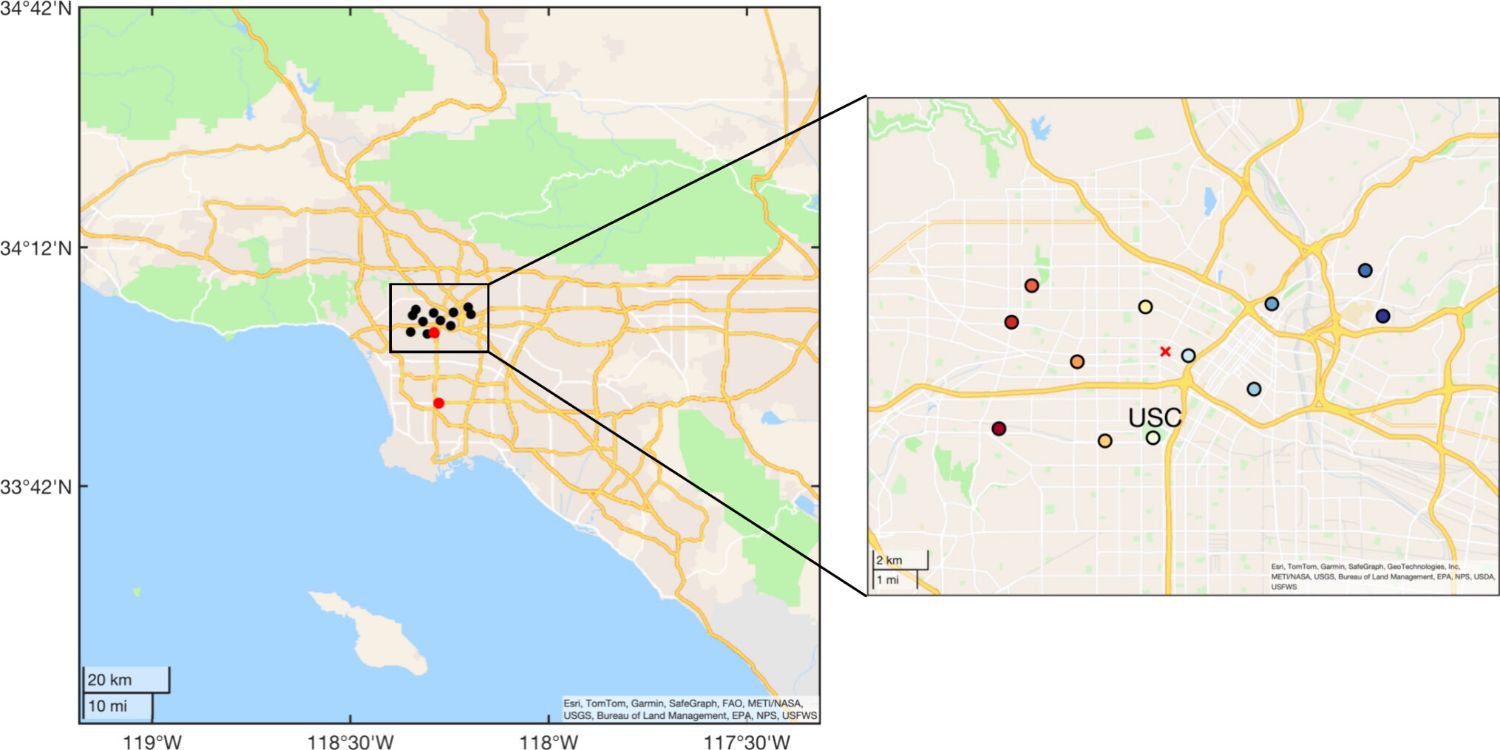
Scientists at USC’s Dornsife College installed a network of air sensors across central L.A., tracking CO₂ levels as they moved through the city’s air currents. Over an 18-month period, researchers discovered that urban trees in places like Boyle Heights and Lincoln Heights are absorbing up to 60% of the CO₂ emissions from cars, buildings, and industrial sources during the daytime. That’s a staggering number—far higher than expected.
Even Will Berelson, the USC earth sciences professor leading the study, was blown away. His initial reaction?
“Wow … L.A. trees are kicking ass.”
How the ‘CO₂ Express’ Works
L.A.’s prevailing winds move CO₂ emissions like a train rolling across the city, from the west side through its urban core and into the eastern neighborhoods. By setting up a dozen high-tech sensors along this route, scientists were able to see the “CO₂ Express” in action—tracking how much pollution entered an area, how much got absorbed by trees, and how much kept moving.

It turns out, despite Los Angeles’ reputation as a concrete jungle, even relatively tree-sparse neighborhoods are pulling their weight when it comes to carbon absorption.
So What About South Pasadena?
If places like Lincoln Heights—with its moderate greenery—can put up such a fight against CO₂, what does that say about tree-packed cities like South Pasadena?
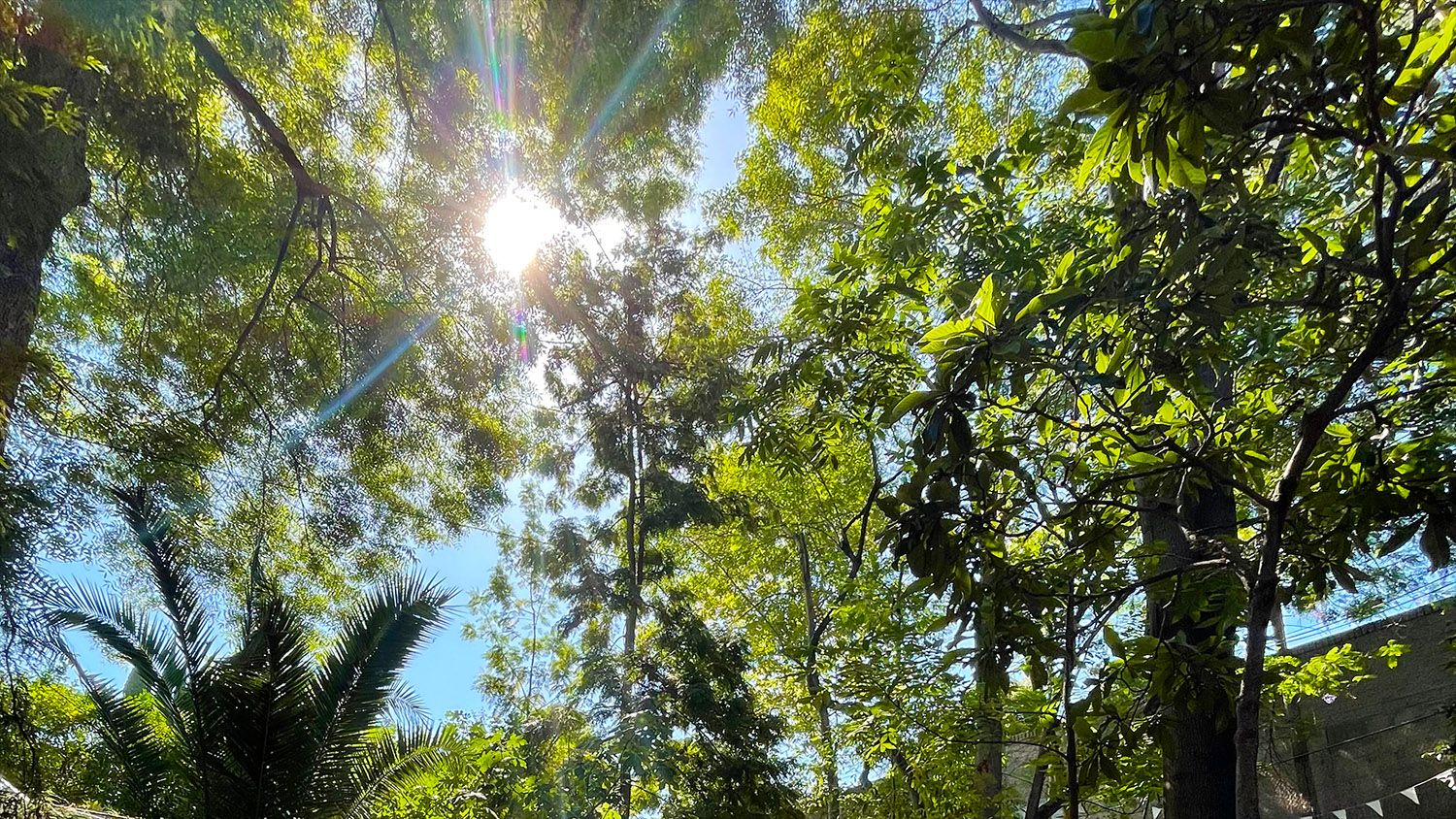
As an official Tree City USA, South Pasadena is known for its towering camphors, oaks, and sycamores lining every street. With a dense tree canopy covering much of the city, it’s safe to say South Pasadena’s urban forest is likely absorbing just as much, if not more, CO₂ than the areas studied in this research. The takeaway? Those tree-lined streets aren’t just pretty—they’re an active defense against climate change.
Why This Matters for the Future
While L.A.’s trees are proving to be a powerful tool in reducing CO₂, Professor Berelson is quick to point out that tree planting alone won’t solve the region’s climate woes. Cutting emissions at the source—by reducing fossil fuel use and improving clean energy infrastructure—remains critical.
However, this study does open up exciting possibilities. If urban trees are doing this much work in unexpected places, what could happen if cities like South Pasadena, Pasadena, and Los Angeles strategically planted more trees in areas that lack greenery? Scientists are now working on follow-up studies to figure out which types of trees absorb the most CO₂ and how climate change might affect their ability to do so.
The Bottom Line
L.A.’s trees are climate superheroes, quietly scrubbing pollution out of the air while we go about our daily lives. And here in South Pasadena, where our lush urban forest is already one of the city’s defining features, we might be unknowingly benefiting from some of the best natural air purifiers in Southern California.
So next time you’re walking under the shade of a big camphor or oak on Mission Street, give it a little nod of appreciation. That tree might just be fighting climate change harder than any policy debate ever could.
This article references findings from the USC Dornsife College study published in Environmental Science & Technology.