
















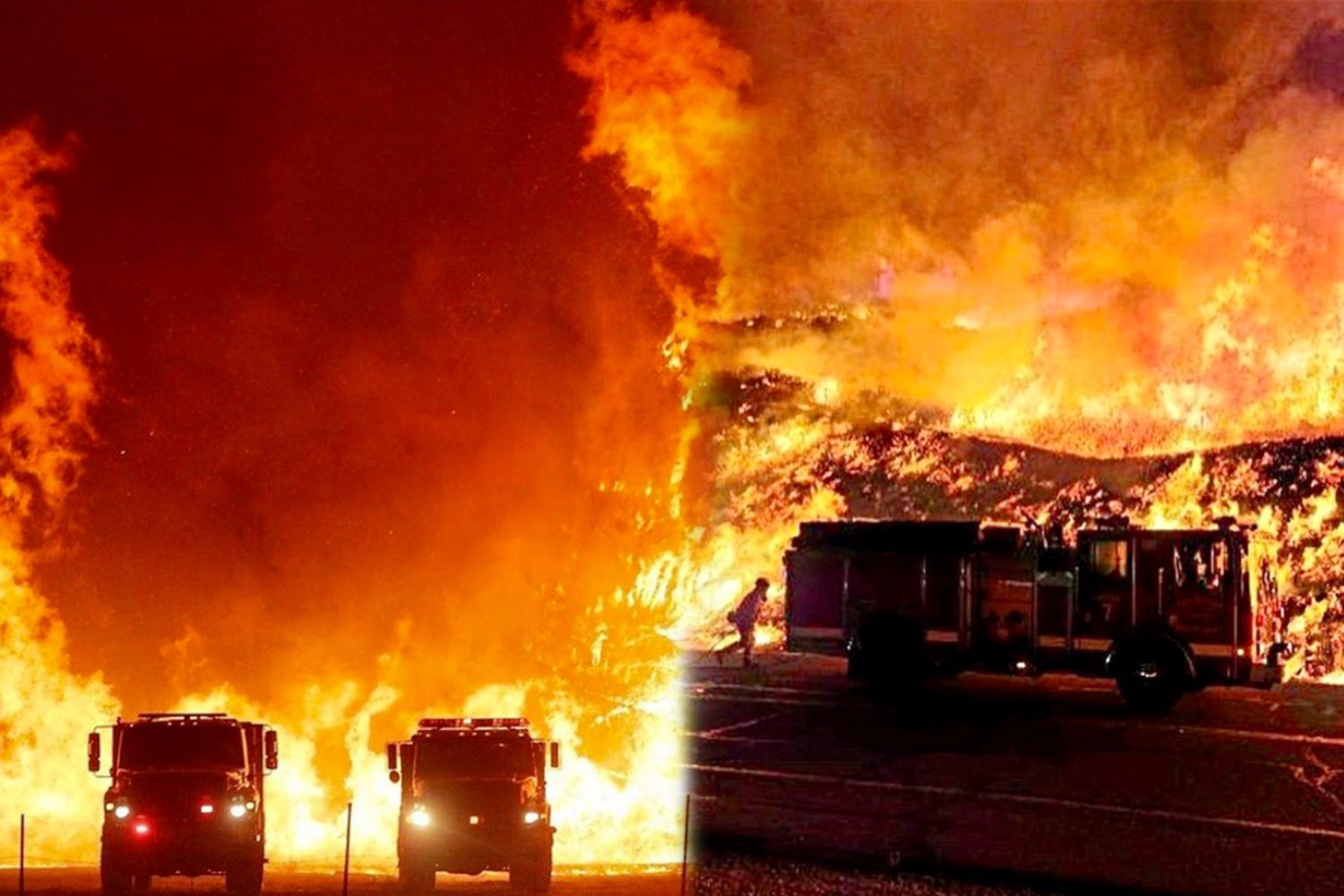

Southern California was devastated in early 2025 by two catastrophic wildfires: the Palisades Fire, which consumed Pacific Palisades, and the Eaton Fire, which tore through Altadena, Pasadena, and surrounding areas. As communities struggle to recover, two major lawsuits have emerged, alleging corporate negligence and infrastructure mismanagement.
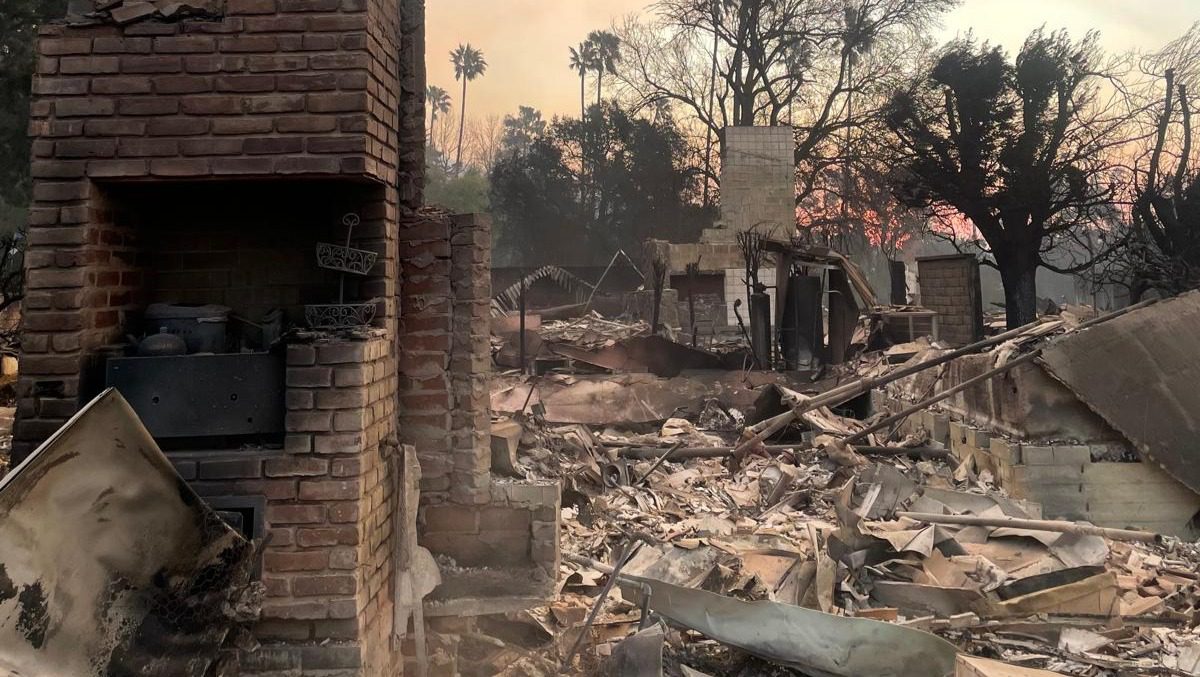
A lawsuit filed by Los Angeles County, the City of Pasadena, and the Consolidated Fire Protection District of Los Angeles County alleges that Southern California Edison (SCE) and its parent company, Edison International, are responsible for causing the Eaton Fire due to negligent maintenance of electrical equipment. Separately, residents of Pacific Palisades have sued the Los Angeles Department of Water and Power (LADWP) for failing to maintain an essential water supply, which allegedly worsened the Palisades Fire.
These lawsuits could lead to significant financial penalties for the utilities and set legal precedents for how California manages its wildfire-prone infrastructure. Below is an in-depth look at the Eaton Fire lawsuit and the broader implications of these fires.
The Eaton Fire: One of the Most Destructive in California History
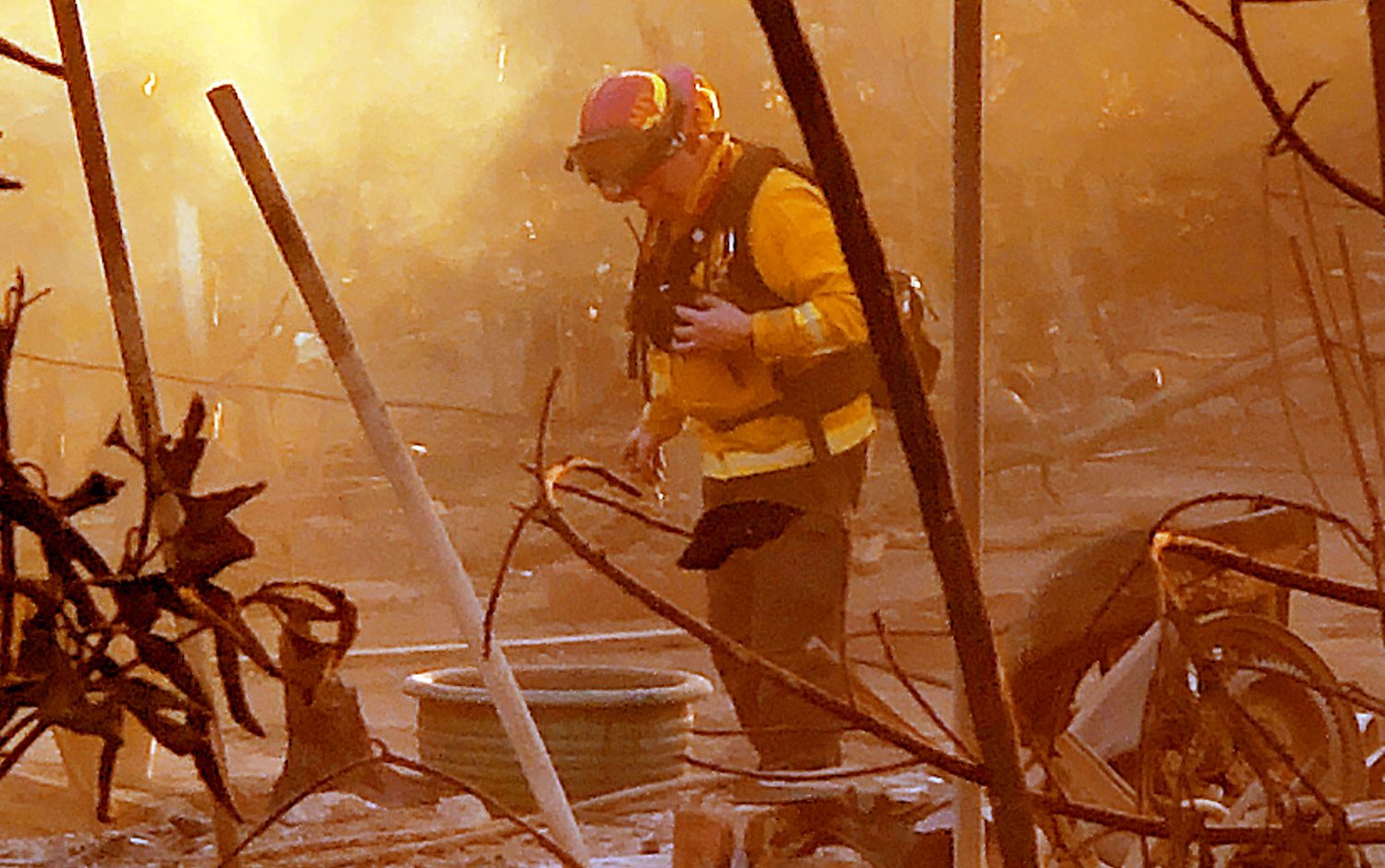
The Eaton Fire ignited on January 7, 2025, around 6:14 p.m., near Altadena Drive and Midwick Drive in Los Angeles County. The fire rapidly spread due to high winds, ultimately burning over 14,000 acres and destroying approximately 9,400 structures. It tragically claimed 17 lives, making it the second most destructive and fifth deadliest wildfire in California history.

The lawsuit filed against Southern California Edison (SCE) and Edison International alleges that the fire was caused by faulty electrical infrastructure. Plaintiffs claim that SCE failed to properly maintain its power lines, leading to electrical arcing and ignition of dry vegetation. The suit details that:
- SCE’s power lines in Eaton Canyon were observed sparking in high winds minutes before the fire ignited.
- An electrical fault was detected on an SCE transmission circuit at 6:11 p.m., moments before the fire started.
- Despite Red Flag Warnings and extreme wind conditions, SCE did not de-energize its power lines, which could have prevented the fire.
- The fire’s rapid spread destroyed schools, churches, senior centers, and historical landmarks, displacing thousands of residents.
The County of Los Angeles, the Los Angeles County Flood Control District, and the Consolidated Fire Protection District are seeking hundreds of millions of dollars in damages, citing property destruction, emergency response costs, environmental damage, and loss of tax revenue.
The Lawsuit’s Key Claims Against Southern California Edison
The lawsuit against SCE contains eight major causes of action, including:
- Inverse Condemnation – The plaintiffs argue that SCE’s infrastructure functioned as a public improvement that failed, thereby requiring just compensation for damages.
- Negligence – SCE is accused of failing to properly inspect, repair, and maintain its electrical infrastructure.
- Trespass – By causing the fire, SCE allegedly caused physical invasion and damage to public and private properties.
- Nuisance – The plaintiffs assert that the fire created unsafe conditions, disrupted lives, and rendered properties uninhabitable.
- Premises Liability – SCE had a duty to keep its property and infrastructure in safe condition but failed to do so.
- Violation of Public Utilities Code §2106 – SCE is accused of operating in a manner that violated public safety regulations.
- Violation of Health and Safety Code §13007 – This law holds entities responsible for damages caused by fire.
- Violation of Health and Safety Code §13009 et seq. – The plaintiffs claim reimbursement for firefighting costs.
![PHOTO: PasadenaNOW.com | Cell phone images of the first moments after the Eaton Fire ignited on Tuesday, Jan. 7, 2025, on the mountainside opposite Midwick Drive’s terminus at N. Altadena Drive in Altadena. [Jennifer Errico]](https://media.southpasadenan.com/wp-content/uploads/South-Pasadena-News-1-9-2025-PADADENA-NOW-NEWS-Start-of-Eaton-Canyon-Fire-Photo-01.jpg "| The South Pasadenan | South Pasadena News")
The Palisades Fire and the Lawsuit Against LADWP
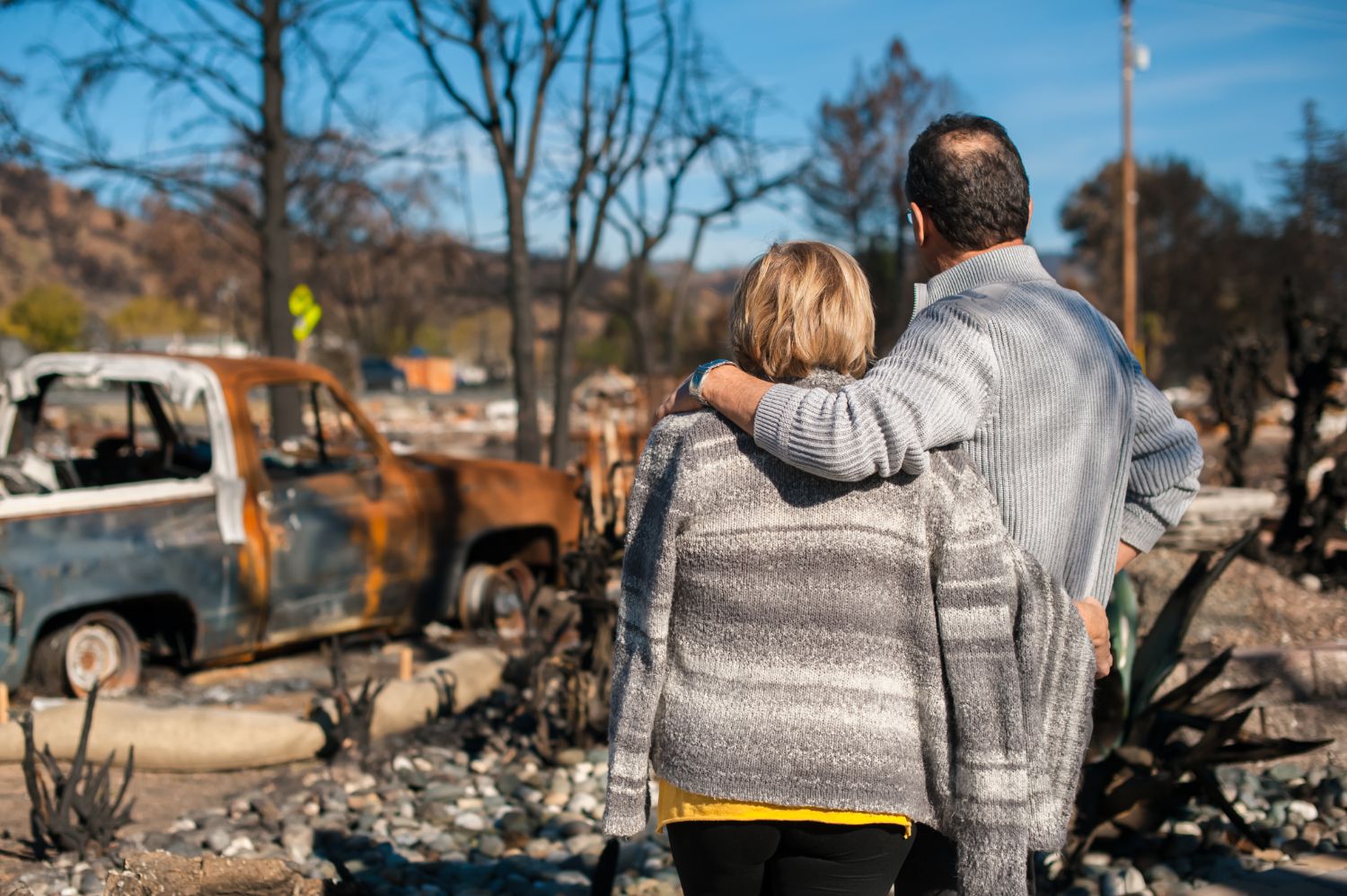
Meanwhile, residents of Pacific Palisades have sued the Los Angeles Department of Water and Power (LADWP) for failing to provide adequate water during the Palisades Fire, which ignited on the same day as the Eaton Fire.
- The Santa Ynez Reservoir, a 117-million-gallon water storage facility, had been empty since February 2024 for repairs.
- This left 20% of fire hydrants in Pacific Palisades dry, hampering firefighters’ ability to control the blaze.
- The fire destroyed more than 6,500 structures and killed at least eight people.
- Plaintiffs, including celebrities Spencer Pratt and Heidi Montag, claim LADWP’s inaction directly contributed to the destruction.
The lawsuit seeks compensation for property loss, emotional distress, and punitive damages, as well as an independent investigation into LADWP’s infrastructure management practices.
The Current Situation: Recovery and Legal Fallout
While litigation moves forward, communities are grappling with rebuilding efforts:
- In Altadena, nearly half of Black homeowners lost their properties, raising concerns about displacement and gentrification.
- Local businesses are struggling, but community support is evident. For example, fundraising efforts are helping Pasadena bookstore owner Tom Rogers, who lost his home in the fire.
- Southern California Edison has admitted that its inactive power line may have been inadvertently energized, leading to the fire.
- State regulators and lawmakers are under pressure to implement stricter wildfire prevention measures, including mandatory power shutoffs during high-risk weather conditions.
What Comes Next?
These lawsuits highlight California’s ongoing struggles with wildfire mitigation and corporate accountability. If successful, they could result in billions of dollars in damages and reshape how utility companies and public agencies manage fire risks in the future.
- Southern California Edison faces increasing scrutiny from the California Public Utilities Commission (CPUC).
- LADWP may be forced to overhaul its emergency infrastructure management.
- Victims are calling for faster insurance payouts and increased state disaster relief.
As legal proceedings unfold, the question remains: Will these lawsuits lead to systemic change, or will history repeat itself with more catastrophic fires in the future?