













U.S. Customs and Border Protection (CBP) officers at San Diego area ports of entry seized 28 parrots and three chickens during two separate suspected wildlife smuggling attempts. The incidents took place at the Otay Mesa and San Ysidro Ports of Entry, as officers prevented the illegal introduction of birds that could pose significant threats to U.S. agriculture and native wildlife.
Two Smuggling Attempts Foiled at Border Checkpoints
Otay Mesa Port of Entry Incident
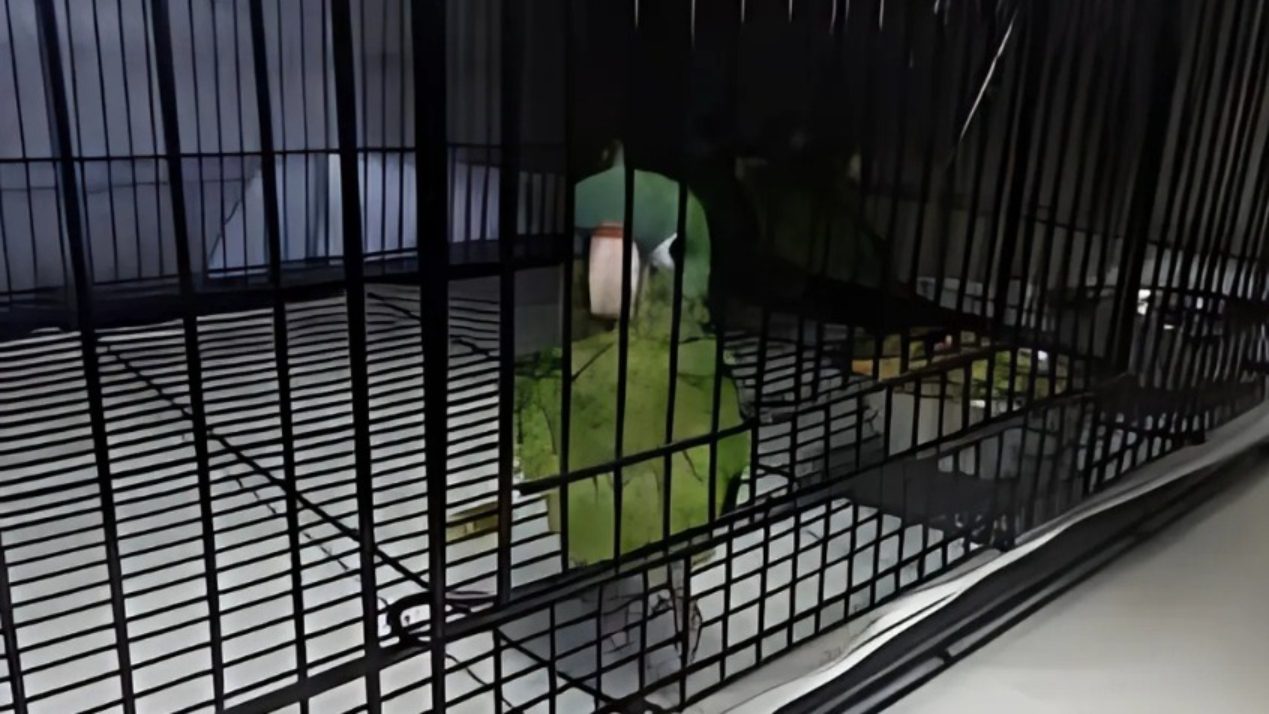
The first incident occurred on April 30, 2025, at approximately 11:29 a.m., when a 51-year-old male attempted to cross into the U.S. from Mexico at the Otay Mesa Port of Entry. During a routine inspection, CBP officers noticed unusual bulges around the driver’s ankles. A pat-down search revealed six undeclared live parrots concealed in the driver’s boots.
Further examination of the vehicle uncovered six additional undeclared parrots near the front passenger seat, two of which were found deceased. The driver was detained and the vehicle impounded for further investigation.
San Ysidro Port of Entry Incident
The second smuggling attempt took place on May 4, 2025, at approximately 11:32 p.m., when a 26-year-old male driver and his passengers were referred to secondary inspection at the San Ysidro Port of Entry. Officers discovered a moving blanket in the trunk, which concealed two cages — one containing 16 undeclared live parakeets and another with three undeclared live chickens.

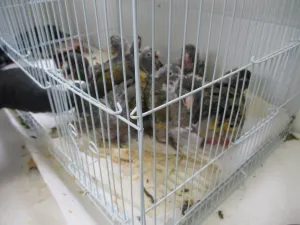
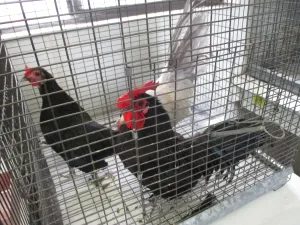
CBP officers detained the driver and passengers and transferred them to a secure location for further processing.
Health and Safety Risks of Bird Smuggling
CBP officials emphasized the dangers of smuggling birds into the country, including the risk of introducing avian diseases that could have severe consequences for native wildlife, public health, and U.S. agricultural industries.
“The smuggling of birds is extremely dangerous,” said Sidney Aki, CBP’s San Diego Director of Field Operations. “Birds can be hosts for a variety of diseases that can threaten native wildlife and U.S. agricultural industries, potentially causing widespread economic consequences.”
CBP officers handed over the suspects to Homeland Security Investigations (HSI) and U.S. Fish and Wildlife Services (USFWS) for further investigation. The birds are now under quarantine by U.S. Department of Agriculture Veterinary Services to ensure they are free of disease.
Ongoing Enforcement Efforts Against Wildlife Trafficking
CBP works closely with agencies such as USFWS, USDA, and CDC, along with state, local, and international law enforcement partners, to prevent the illegal importation of wildlife and protect against foreign animal diseases.
Travelers are reminded that the presence of all bird species must be declared to CBP officers upon entering the United States, as failure to do so may result in enforcement actions under wildlife protection laws.
For more information, visit www.cbp.gov.