














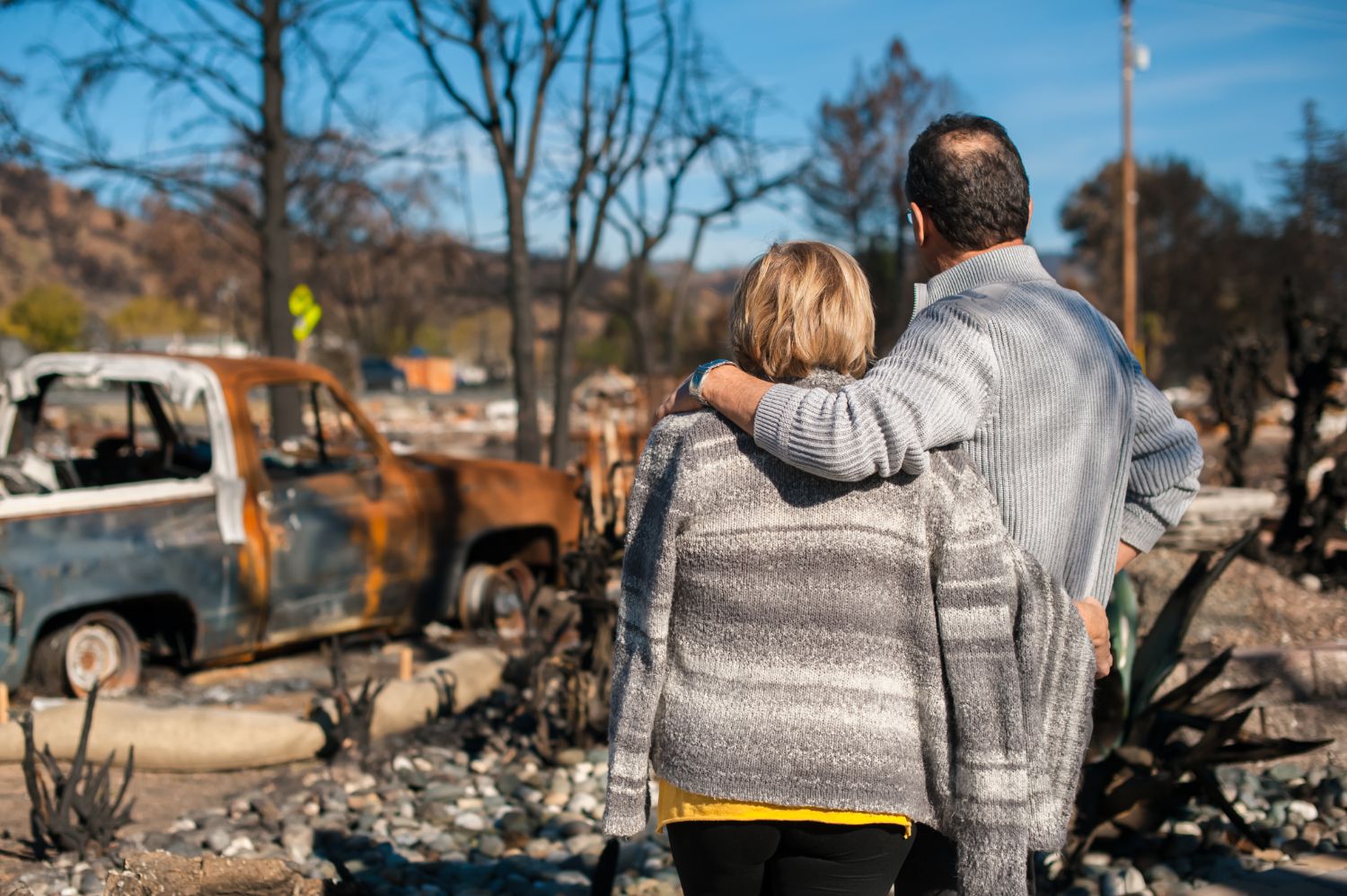

The recent Los Angeles area fires, including the devastating Eaton and Palisades fires, have left many homeowners, renters, and business owners facing significant challenges. Understanding how insurance works during such disasters is critical for recovery. Here’s a comprehensive guide to help you navigate the process, with insights into the vital role of insurance adjusters in securing a fair outcome.
How Insurance Works for Homeowners, Renters, and Business Owners
Homeowners
Homeowners insurance typically covers:
• Fire and Smoke Damage: Protection extends to the structure of the home and personal belongings.
• Additional Living Expenses (ALE): Provides funds for temporary housing and related costs if your home becomes uninhabitable.
Important Protections: California law has implemented a moratorium on policy cancellations for at least one year following a state of emergency. This ensures stability for homeowners while they recover. However, challenges such as increased premiums or difficulty finding coverage in high-risk areas remain, as insurers seek to reduce wildfire-related risks.
Renters
Renters insurance generally covers:
• Personal Belongings: Fire and smoke damage to your possessions.
• Temporary Housing Costs: ALE coverage if your rental becomes uninhabitable.
Key Tips: Renters should notify their insurer immediately, document damaged items with photos, and retain receipts for expenses related to displacement.
Small Business Owners
Business insurance can help with:
• Property Damage: Covers damage to the premises and business equipment.
• Business Interruption Insurance: Compensates for lost income during periods of non-operation due to covered damages.
Challenges for Businesses: Small businesses may face delays in claim processing due to the high volume of claims. Reviewing policy details and documenting losses thoroughly is essential for a successful claim.
The Critical Role of Insurance Adjusters
What Does an Insurance Adjuster Do?
An insurance adjuster evaluates and settles insurance claims. They assess damages, verify the claim’s validity, and determine compensation. Adjusters fall into two categories:
1. Company Adjusters: Represent the insurance company’s interests.
2. Public Adjusters: Hired by policyholders to advocate on their behalf.
Their expertise ensures claims are handled efficiently, accurately, and fairly.
Timing is Everything: Get an Adjuster on Board Early
One of the most critical steps after a disaster is engaging a skilled adjuster as early as possible. Homeowners and business owners often make common mistakes in the initial correspondence with their insurers, such as:
• Overlooking key details when reporting damages.
• Accepting initial settlement offers that do not cover all losses.
• Signing agreements or offers without fully understanding their rights or policy limits.
By involving an adjuster early, policyholders can avoid these pitfalls and ensure their claims are set up for success from the beginning.
How a Skilled Adjuster Can Help Beyond Initial Insurance Company Responses
Insurance companies often provide initial settlement offers that may not fully address all losses. A skilled adjuster can:
• Identify overlooked damages, such as hidden structural or smoke-related issues.
• Advocate for higher payouts by leveraging their understanding of policy details and industry standards.
The Massive Impact of an Experienced Adjuster
In complex, fluid disasters like the recent fires, an experienced adjuster can significantly affect outcomes. Here’s how:
• Navigating Complex Policies: Adjusters interpret intricate policy language to maximize coverage for property owners and businesses.
• Accounting for Disaster-Specific Impacts: They anticipate evolving issues like smoke infiltration, infrastructure damage, or extended business interruptions.
• Managing High-Volume Claims: Experienced adjusters ensure your claim receives the attention it deserves, even during peak demand.
• Dispute Advocacy: If an insurer undervalues or denies a claim, a skilled adjuster can effectively challenge the decision to secure a fair settlement.

Recommendations for Policyholders
1. Notify Insurers Promptly: Begin the claims process as soon as possible.
2. Document Everything: Take photos of damages, keep detailed inventories, and retain receipts for temporary expenses.
3. Review Policies Carefully: Understand your coverage limits, exclusions, and claims processes.
4. Engage a Public Adjuster Immediately: A knowledgeable adjuster can help navigate the complexities of the insurance process, avoid common missteps, and advocate for the best outcome.
5. Don’t Sign Too Quickly: Avoid signing any agreements or offers from your insurer without consulting an experienced adjuster to ensure you receive a fair settlement.
This is a highly complex situation for all who have impacted Recovering from the recent fires will be a complex and stressful task, but understanding how to work with the expertise of a skilled insurance adjuster can make a significant difference. Whether you’re a homeowner, renter, or small business owner, taking proactive steps and seeking professional guidance will help you secure the compensation you need to rebuild and recover.
For many, the role of a dedicated adjuster is not just valuable—it’s essential to navigating the challenges of this unprecedented disaster.