













California Insurance Commissioner Ricardo Lara has launched a formal investigation into State Farm, the state’s largest home insurer, over its handling of wildfire claims related to the Palisades and Eaton fires. The Department of Insurance cited troubling patterns, including poor communication with policyholders, inconsistent claim processing, and inadequate record-keeping.
This development coincides with the advancement of Assembly Bill 597, introduced by Assemblymember John Harabedian, which would significantly limit wildfire survivors’ ability to work with public insurance adjusters—professionals often critical in helping policyholders secure fair payouts.
Survivor Speaks Out on Need for Public Adjusters
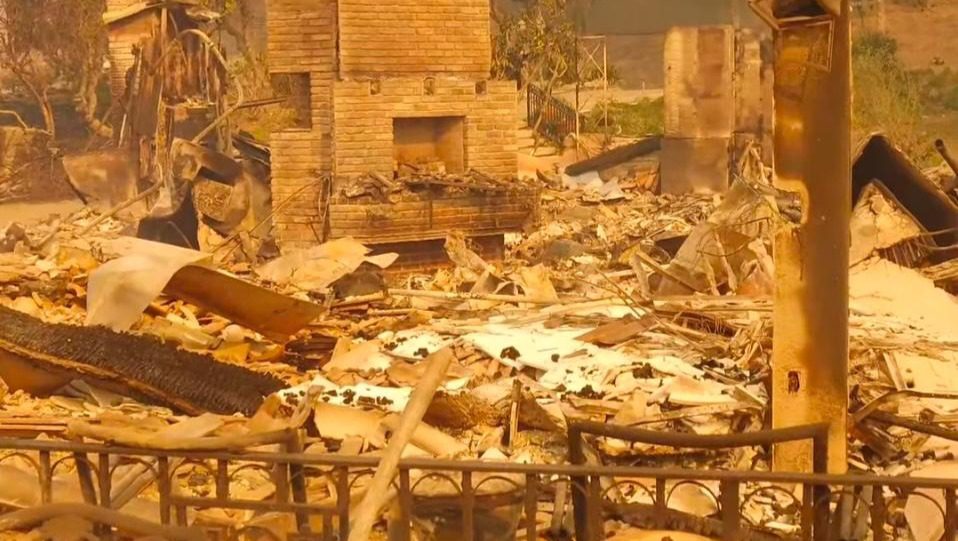
Jill Lawrence, a 30-year Los Angeles resident and Palisades Fire survivor, has spoken out against AB 597. Her home was significantly damaged in the fire, and she described working with her insurance company as “more traumatic than the fire” itself. She credits her public adjuster with helping her through months of delays, denials, and broken promises from her insurer.
“I don’t know how people do this without a public adjuster,” said Lawrence. “They’ve been our only real advocate.”
What Public Adjusters Do
Public adjusters are independent professionals who work solely on behalf of policyholders, not insurance companies. Their responsibilities include:

- Documenting losses
- Negotiating fair settlements
- Ensuring policyholders receive what they are owed
They are paid only if they increase the payout amount, and current California law ensures that fire victims never receive less than the insurer’s original offer.
Growing Scrutiny and Legislative Questions
As the State Farm investigation unfolds, consumer advocates and wildfire survivors are urging lawmakers to reconsider AB 597. Critics argue the bill would strip survivors of one of their few available tools to fight for just compensation.
At a time when insurance companies are being scrutinized for allegedly mishandling claims, many are asking why California would move to limit access to independent help. The outcome of both the investigation and the fate of AB 597 could have lasting implications for how California handles future wildfire recovery efforts.