













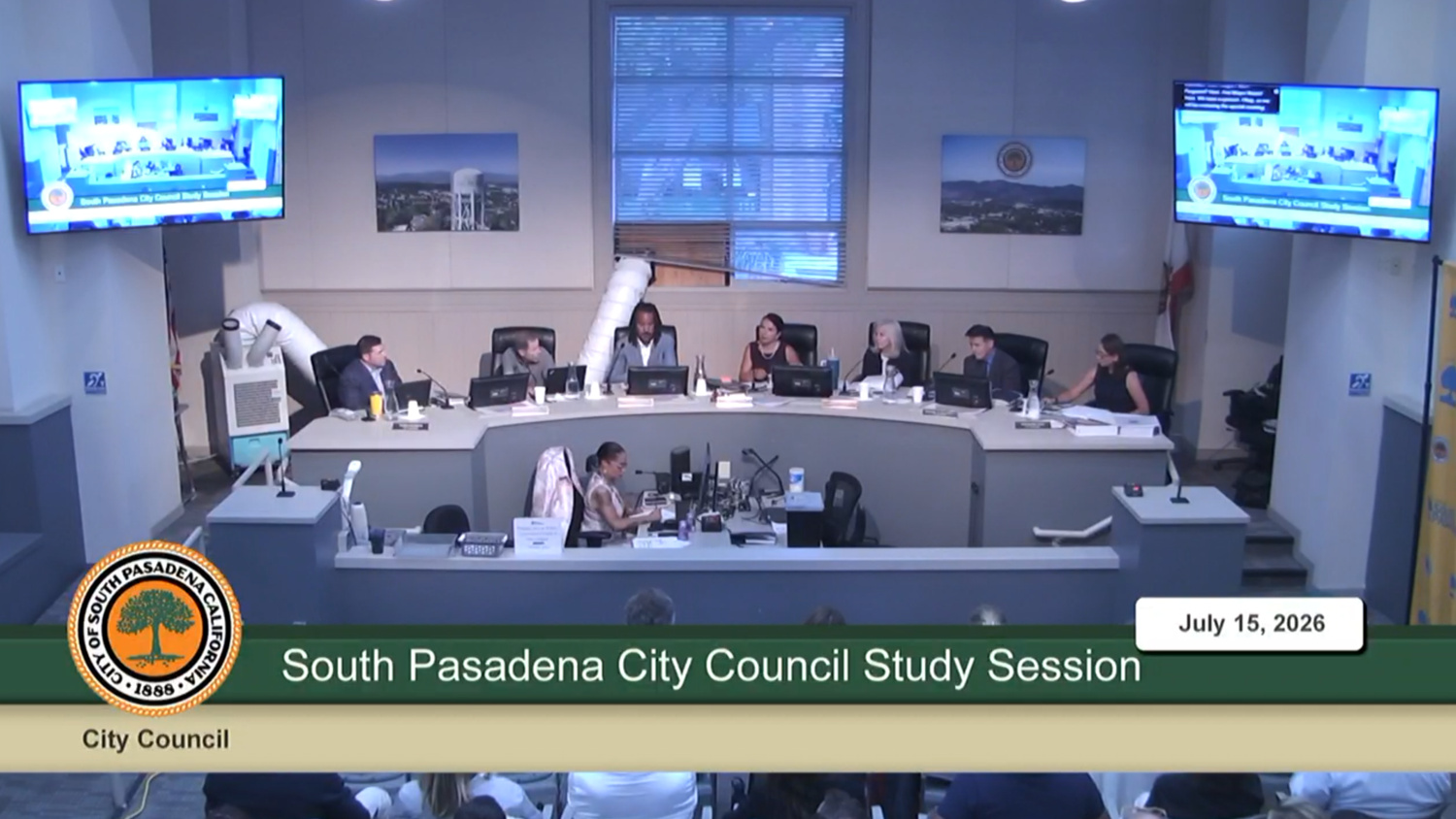

On the evening of August 19, 2026, the South Pasadena City Council convened at 6:23 p.m. for a special study session to review a draft Request for Proposals (RFP). The specific goal of this session was to discuss the preparation of a comprehensive City Mobility Plan and Citywide Safety Action Plan.
Beyond the Bicycle Master Plan
City Engineer Michael Veritanian presented the draft, emphasizing to the council that the city is not starting from scratch. Instead, the consultant chosen for this plan will reconcile past efforts, such as the 2011 Bicycle Master Plan and the 2024 Fremont, Fair Oaks, and Huntington Corridor Study, into a single modern framework.
This effort will analyze how residents actually move throughout the city, whether they are walking, bicycling, driving, or using transit and micro-mobility to reach schools and other destinations. “The key point is that these systems need to be considered together,” Veritanian noted, stressing the need for a connected transportation network that accommodates people of all ages and abilities.

Balancing Neighborhood Character with Progress
South Pasadena’s streets have limited space and face many competing needs, from mature street trees to business parking and emergency access. The proposed safety action plan approaches these municipal challenges using a data-driven perspective to update collision histories, evaluate systemic patterns, and identify appropriate countermeasures.
During the session, Councilmember Pirman raised the critical need to integrate mobility planning with wildfire evacuation efforts, ensuring life-saving emergency routes are preserved. Meanwhile, Councilmember Braun advocated for looking closely at first-and-last-mile connections to the local Metro station and exploring the possibility of pedestrian promenades or street closures.
Avoiding Plans that Sit on the Shelf
The Public Works Infrastructure Commission (PWIC) had previously reviewed the $400,000 project budget, urging staff to ensure the consultant’s resources are focused on actionable, cost-effective results rather than overly broad studies.
To answer this civic concern, Veritanian outlined a targeted strategy that establishes a citywide network vision first, then develops stronger concepts for the highest priority projects. This actionable framework positions the city to aggressively pursue grants as they become available, such as Safe Streets for All and ATP funding.
The proposed plan’s robust scope requires the consultant to deliver:
- An evaluation of first and last mile connections to transit, as well as parking and curb management.
- Planning-level conceptual illustrations, cross-sections, and rough cost estimates for identified priority projects.
- Opportunities for “quick build” improvements coordinated with ongoing street resurfacing projects.
- A prioritized list of projects separated into near, mid, and long-term implementation opportunities.
Who Gets a Seat at the Table?
Community engagement is heavily prioritized and built directly into the RFP across three distinct phases of plan development.
Councilmember Cacciotti praised the exceptionally robust public process outlined in the document, noting the critical importance of a geographically diverse steering committee. This advisory body is expected to include representatives from South Pas Active, bike bus organizers, the SPUSD PTA, older adults, the disability community, and local businesses.
Following this study session, city staff will compile the feedback from both the PWIC and the City Council to revise the RFP before it is officially issued to potential consultants. Residents should prepare to participate in the promised three rounds of community outreach, which will begin with early visioning and needs assessments once the project launches. Keep an eye on upcoming City Council agendas to ensure your voice shapes the streets we all share.