


















In a sweeping shift that could reshape how homelessness services are delivered across Southern California, the Los Angeles County Board of Supervisors is preparing to pull hundreds of millions of dollars in funding from the Los Angeles Homeless Services Authority (LAHSA), the agency long tasked with coordinating the region’s sprawling homelessness response.
The move, sparked by recent audits exposing critical failures in LAHSA’s oversight and financial management, signals a turning point in how public officials intend to handle what many consider the most pressing crisis facing the region.
A Broken System
Established in 1993 as a joint city-county agency, LAHSA currently manages an estimated $875 million budget. Its responsibilities include disbursing funds to dozens of nonprofits, managing outreach teams, and overseeing the region’s annual homeless count. However, recent audits revealed serious problems: invoices that went unpaid for months, inconsistencies in service provider documentation, and millions in unaccounted funds.
Los Angeles City Councilmember Monica Rodriguez, citing these “verified audits,” stated, “We’ve relied on a system that has not demonstrated the capacity to effectively execute what it’s been funded to do.”

In response, the L.A. County Board of Supervisors will vote later this month on creating a new internal county department that would take over most of LAHSA’s roles. Nearly $350 million in county-administered funds could be redirected from LAHSA to this new department — an enormous shift in the structure of homelessness governance.
How It Affects South Pasadena
While the action centers on downtown Los Angeles and county-level leadership, the ripple effects will be felt throughout surrounding cities — including South Pasadena.
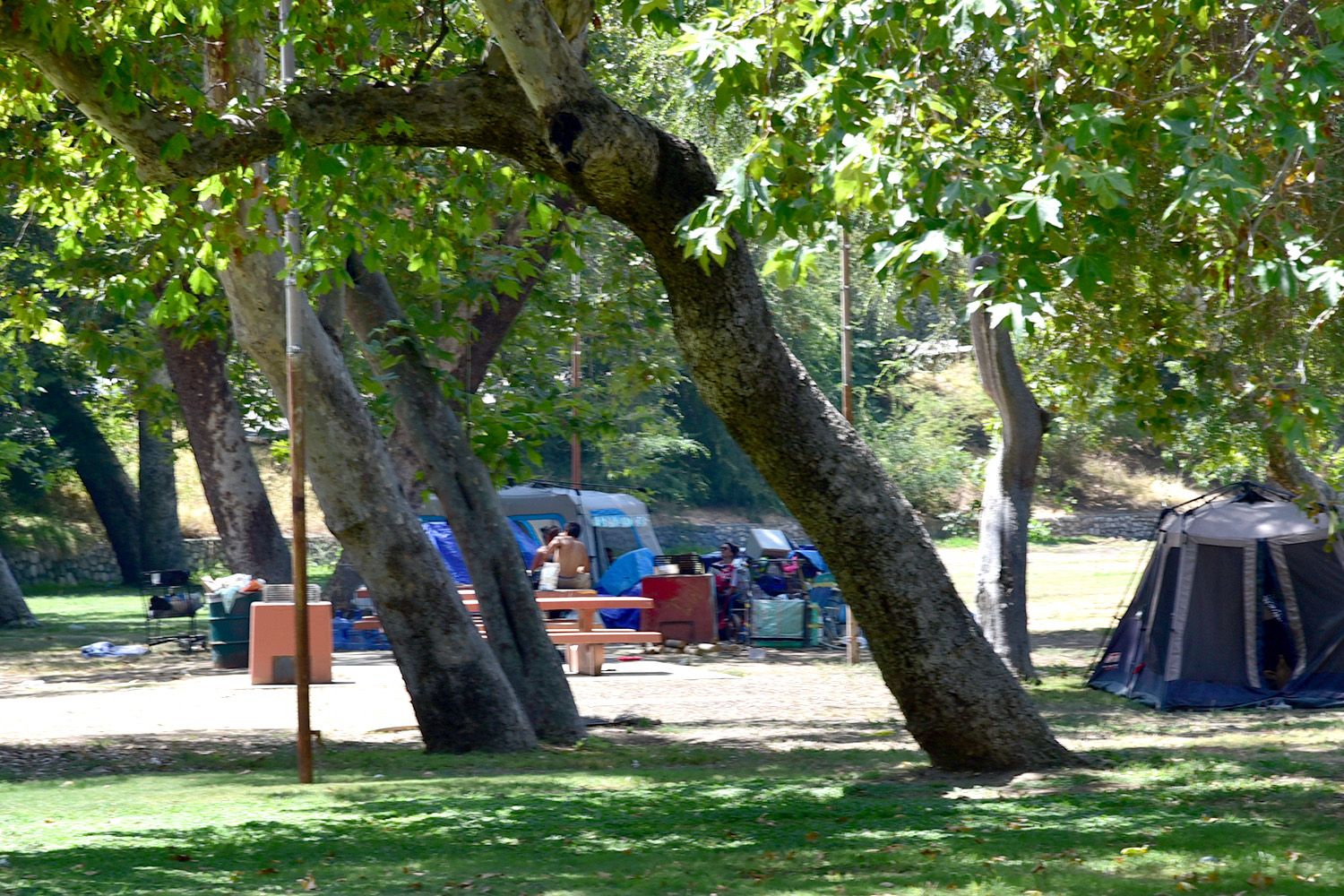
South Pasadena, a small but strategically located community bordered by Alhambra, Highland Park, and Pasadena, has increasingly seen its parks, sidewalks, and commercial corridors impacted by transient migration from adjacent areas. As enforcement efforts in downtown LA and East LA intensify or shift, many unsheltered individuals spill across city boundaries — with South Pasadena often becoming a stopover point.
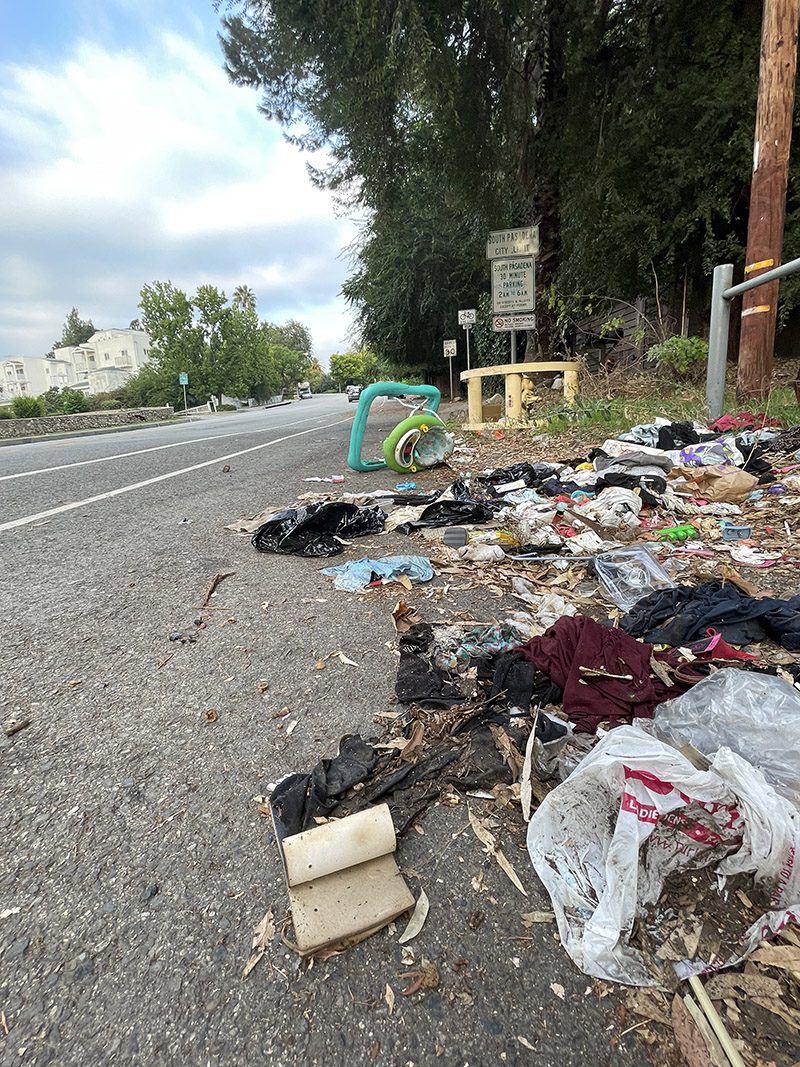
City officials here have reported increases in public safety calls related to homelessness, along with community concerns about illegal encampments and mental health crises on Mission Street, Arroyo Drive, and near the Arroyo Seco Parkway underpasses.
Councilmember Sheila Rossi, elected in 2024 on a platform that included addressing local impacts of regional homelessness, told The South Pasadenan last month, “The city can’t solve this alone. We need a functioning county system that keeps track of services, housing, and outreach, not one that sends people in circles.”
A Strained Partnership
The City of South Pasadena has, in recent years, relied on LAHSA to coordinate outreach and service referrals through third-party agencies like Union Station Homeless Services and The People Concern. But as LAHSA faltered, so did the consistency of support.
In 2023 and 2024, complaints rose over missed outreach appointments, a lack of local shelter access points, and poor communication between regional providers and city staff. South Pasadena’s Public Safety Commission noted in several meetings that the city often finds itself managing acute mental health episodes and encampment cleanup without sufficient outside backup.
Now, with LAHSA’s structure being potentially dismantled, those services are in flux. The County has promised that the proposed department would centralize oversight, streamline contract payments, and improve provider accountability — but the transition period could be rocky.
For cities like South Pasadena, that means preparing for potential service gaps in the near term, even as the promise of a better-managed system looms on the horizon.
Local Autonomy and Direct Contracting
Adding another layer to the story, the City of Los Angeles has unanimously approved a motion to explore bypassing LAHSA altogether by contracting directly with service providers. That shift reflects a growing desire among municipalities to assert more control over homelessness spending, rather than deferring to a centralized county agency.
South Pasadena officials have not yet indicated whether they would follow a similar path. However, several members of the City Council have publicly questioned whether continuing to rely on LAHSA or even the county is in the city’s best interest.
“We need a system that works for small cities,” said Councilmember Omari Ferguson during a February public meeting. “Right now, we’re often an afterthought.”
The city’s 2024 Homelessness Strategic Plan acknowledged this dynamic and recommended forming stronger partnerships with Pasadena and San Marino to develop localized response strategies. Some local advocates have floated the idea of a regional Eastside coalition that could pool resources and set common outreach protocols.
Now What?
The L.A. County Board of Supervisors is expected to vote on the proposal to create a new homelessness department later this spring. If approved, the transition away from LAHSA would begin by the end of the fiscal year.
Meanwhile, cities like South Pasadena must navigate uncertainty. For residents, that means continued visibility of homelessness along business corridors and transit routes — as well as growing concern over public safety and mental health support.
Despite these challenges, South Pasadena City Leaders appear determined to push for solutions. As Councilmember Rossi stated during a March workshop, “This is a crisis that touches every city, every block. We cannot afford to wait for the county to fix it. We have to plan locally and act now.”


SPPD Participates in Annual Homeless Count | Making Those Without a Home Matter
This is not ‘homeless’, This is Something Else: We Need New Language & Immediate Action