















By Douglas Vandergraph
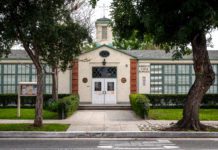
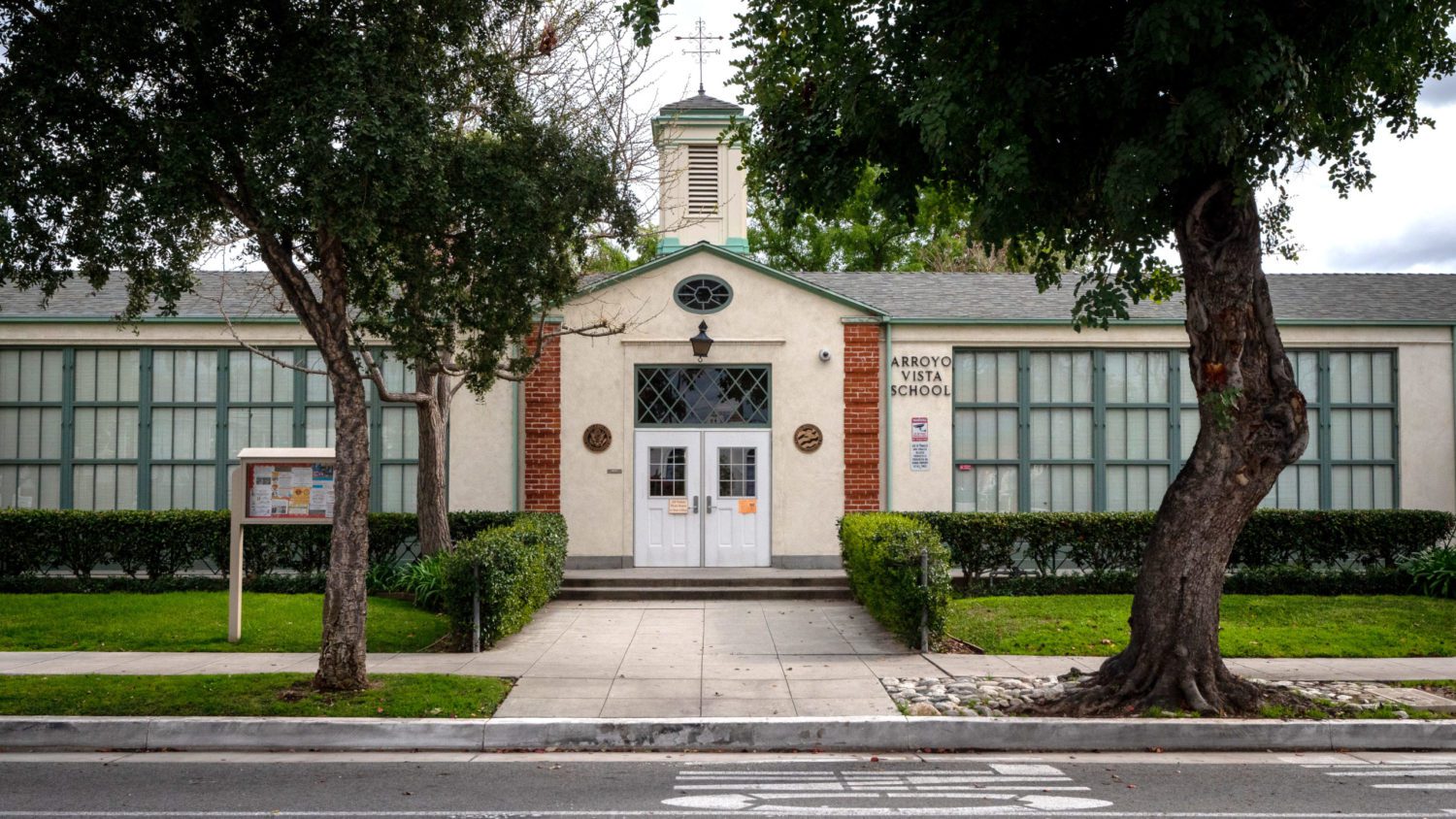
A school improvement can look convincing on a meeting agenda and still leave a child waiting outside the experience it promises. South Pasadena has a chance to notice that difference before the next ribbon is cut. Reporting on the November 10 school board meeting described work toward a sensory playground and sensory classroom at Arroyo Vista Elementary School. Those plans deserve attention not simply as new facilities, but as a test of whether a community makes room for children whose needs do not fit the usual blueprint.
A playground is sometimes treated as the easiest part of school to understand. Children run, swing, climb, and laugh. Yet some children experience a crowd, a sudden noise, or a confusing entrance differently. Other children need equipment they can reach or a place to pause without being treated as if they have failed at play. The question is not whether one design can meet every need perfectly. It is whether children who meet barriers are invited into the design while it can still change.
The South Pasadenan also reported that the district’s Special Needs Committee has a representative from every school site. That detail matters. A committee may sound like one more line in a long board report, but it offers the beginning of a practical answer: listen closely to families and students who know where a school day gets difficult. Consultation must be more than an invitation to speak after the important decisions have already been made.

Jesus gives Christians a sharper way to think about that responsibility. In Mark 10, people bring children to Him, and the disciples try to turn them away. Jesus refuses to let the adults decide that the children are an interruption. He welcomes them and makes their place central. His lesson is not that every child needs the same thing. His lesson is that the people with the least power in the room are not the least important people in the room.
That teaching should make a community curious, not self-congratulatory. Can a child reach the play area without needing a special favor? Is there a quiet place to regroup without being excluded from friends? Do signs, paths, seating, and restrooms make the experience easier for students and caregivers? Can a child who communicates differently show an adult what is working? These are questions worth asking early, even when the answers cost time or require changing a beloved first idea.
There is also a difference between making a place accessible and making a child feel welcome. A ramp is important. So is the classmate who knows not to block it. A sensory room can be valuable. So is the teacher who does not make a student feel embarrassed for needing it. Equipment may widen what is possible, but ordinary habits determine whether the promise survives the first busy week of school.
Families often arrive at school meetings already carrying paperwork, transportation arrangements, medical appointments, and the effort of explaining the same need to yet another person. A respectful school process should not force them to become unpaid construction managers to secure access for their children. Share clear drafts. Invite feedback through more than one channel. Report what changed because of that feedback. Explain, in plain language, why a requested feature could or could not be included.
The district’s recent meeting covered many other demands, including bond work, classroom programs, and student achievements. None of those priorities must be dismissed to care about inclusion. Indeed, school leaders make their best decisions when they recognize that the meaning of a facility is larger than its cost or opening date. A new classroom matters because someone gets to learn there. A playground matters because someone who was alone yesterday might have company tomorrow.
Neighbors without children in the district also have a part. Ask public questions that are specific rather than accusatory. Support school projects that remove barriers, even when your own family will never use the equipment. Teach children to invite someone into a game without making that child a project or a lesson for others. If you belong to a church, remember that welcome is not only a Sunday word. It is what happens when adults help make the schoolyard less lonely on Monday.
No one should pretend a proposed sensory space has already solved a child’s problem. Plans must be evaluated, built, maintained, staffed, and adjusted through experience. Some ideas will need revision. Families may disagree about the best design. Honest disagreement can improve the result when everyone agrees that dignity is not an optional feature. The community should be able to ask how the space works after opening, not only how it looked in a presentation.
A completed project can be counted in dollars, square feet, and photographs. A deeper measure is harder to put on a slide: the child who stays to play instead of retreating, the caregiver who no longer has to plead for an ordinary entrance, the student who sees that a different need does not make anyone less worthy. Those outcomes begin with choices being made now, before the builders are finished and before adults declare success.
South Pasadena does not need a perfect promise. It needs a promise honest enough to be tested by the people it is meant to serve. Jesus did not ask the children to earn a place before He welcomed them. A good school community can begin there, too: not by congratulating itself on creating space, but by noticing whether every child can truly enter it.