











The residents of South Pasadena voted to fix its streets.
Measure SOS, the $80 million “Save Our Streets” bond, is passing with 79.17 percent of the vote, according to the Los Angeles County Registrar-Recorder/County Clerk’s results update posted at 4:28 p.m. Wednesday, Nov. 4. The count stands at 6,939 Yes to 1,826 No.
The measure needed a two-thirds vote, or 66.7 percent. It is clearing that bar by more than 12 points, and the lead has grown since election night, when early returns had it ahead 6,394 to 1,725.
The South Pasadenan Is Calling The Measure SOS Bond Measure ‘passed’.
Why We Are Calling the Race Now
Ballots are still being counted across Los Angeles County, and no result is official until the county certifies it. But the math is not close.
For Measure SOS to fall under two-thirds, the ‘No’ side would need to win more than half of the ballots still left to count in South Pasadena. Say 5,000 more South Pasadena ballots were still out: No would need more than 55 percent of them. So far, No has won about 21 percent.
Countywide, 2,279,750 ballots had been counted as of Wednesday afternoon, a 38.58 percent turnout among Los Angeles County’s 5.9 million registered voters. The county will keep posting updates until the count is certified.
What Measure SOS Pays For and What It Costs
Up to $80 million in bonds to repair neighborhood streets, sidewalks, curbs, gutters and storm drains over roughly 10 years.
Repaid through a property tax based on assessed value, not market value. The city estimates an average of about $33 per $100,000 of assessed value, or about $330 a year on a home assessed at $1 million.
About $4.4 million a year in tax revenue while the bonds are outstanding, per the ballot question.
It stacks on top of the $128 million school bond voters approved in June, which runs about $48 per $100,000 of assessed value.
It is a down payment, not a full fix. The city’s own estimate of what it would take to bring every street up to standard is more than $135 million. Assistant City Manager and Chief Financial Officer Nick Kimball told the council in June that the measure “is not a complete fix.”
What Happens Next at City Hall
• Certification. Los Angeles County has up to 30 days to certify the election. The City Council then formally accepts the results.
• Selling the bonds. The city does not borrow the full $80 million at once. It plans to sell bonds in one or more series, and the council decides the timing and size of each one based on what the street program needs.
• The street schedule. The city’s 10-year plan runs from fiscal year 2026-27 through 2035-36. It does not start with the worst streets. The strategy is to catch streets before they fail, because full reconstruction costs far more than resurfacing. The draft Pavement Management Plan behind that schedule still needs final approval and could change.
• Oversight. The measure requires public spending disclosure and independent audits, and the city’s Chief Financial Officer reports each year on how bond money was spent. Kimball has also said the program would be updated to the council quarterly.
The South Pasadenan will be tracking which streets go first, when the first bonds are sold and when the new tax first shows up on property tax bills.
As of this article, we’ve provisioned a dedicated news channel for the streets bond and work: ‘Streets Repair Bond 2026‘ for all the streets coverage, project tracking & reporting, and progress over the years to come.
A Town That Agreed to Pay for Its Own Repairs
This one took real work, and it deserves credit.
City Hall spent close to a year building the plan in public, starting with budget talks in August 2025. Assistant City Manager and Chief Financial Officer Nick Kimball and the finance staff answered question after question from residents, commissioners and this newspaper. They were grilled on the details multiple times – publicly.

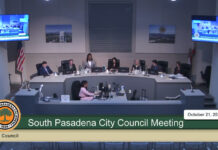
The City Council voted unanimously to send the bond to voters: Mayor Sheila Rossi, Mayor Pro Tem Omari Ferguson and Councilmembers Janet Braun, Jon Primuth and Michael Cacciotti.
The ‘Yes on SOS committee’ was spawned by veteran local issues residents: Co-chaired by Yuki Cutcheon, Karie Reynolds and Dean Serwin. The committee carried the case door to door and neighbor by neighbor.
Then there are the voters. Five months after approving a school bond, South Pasadena residents looked at streets that independent engineers rate a “fair” 54 on the Pavement Condition Index, and voted to raise their own property taxes to get that number up. Nobody likes a new line on the tax bill. Nearly 8 in 10 voters decided the potholes and broken sidewalks can go-on no more.
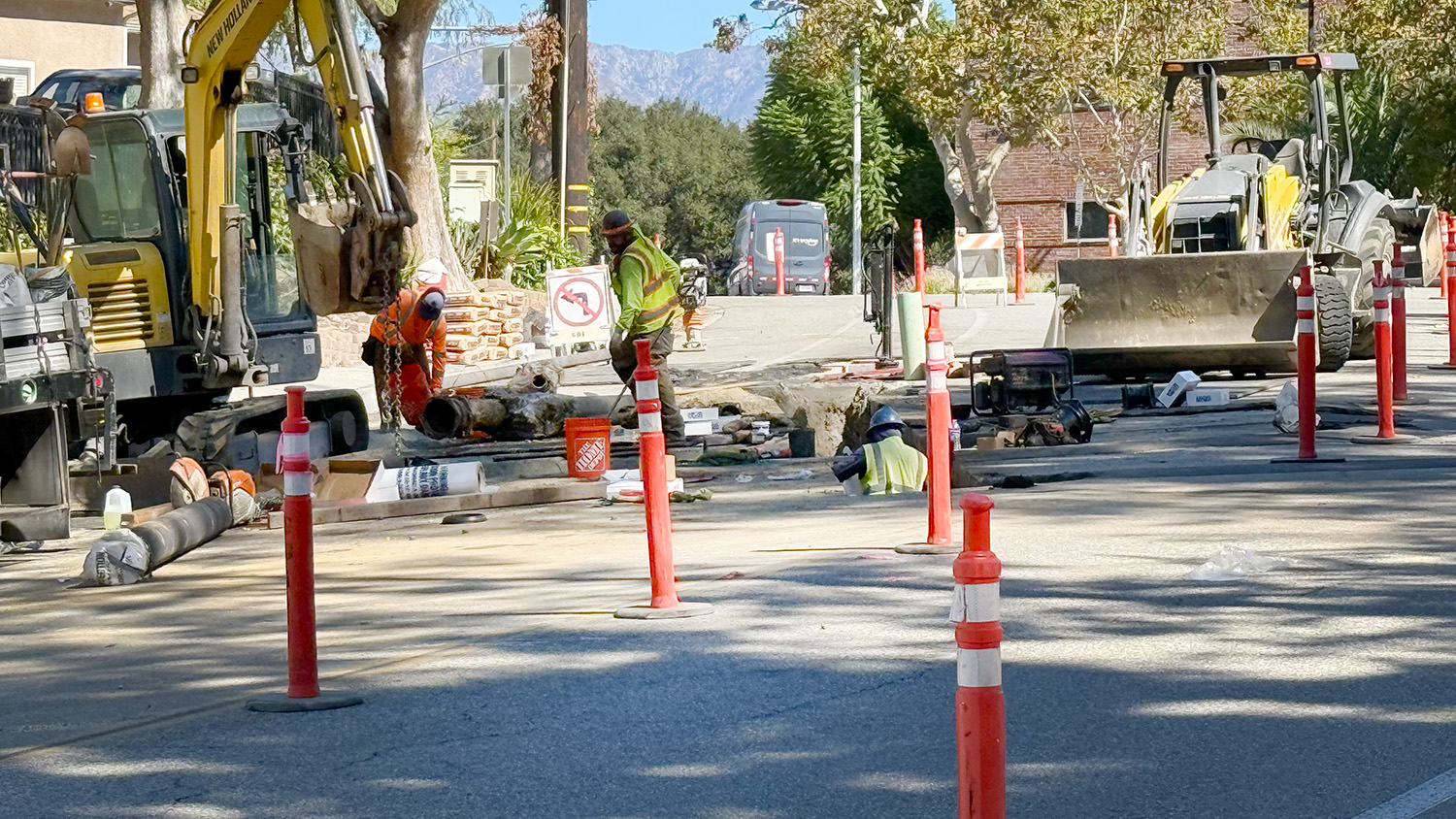
Next comes the part everyone will notice along with the bump in taxes: The orange cones & jackhammers.