













By ‘The South Pasadena Yes on Save Our Streets (SOS) 2026’ Organization
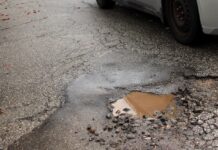
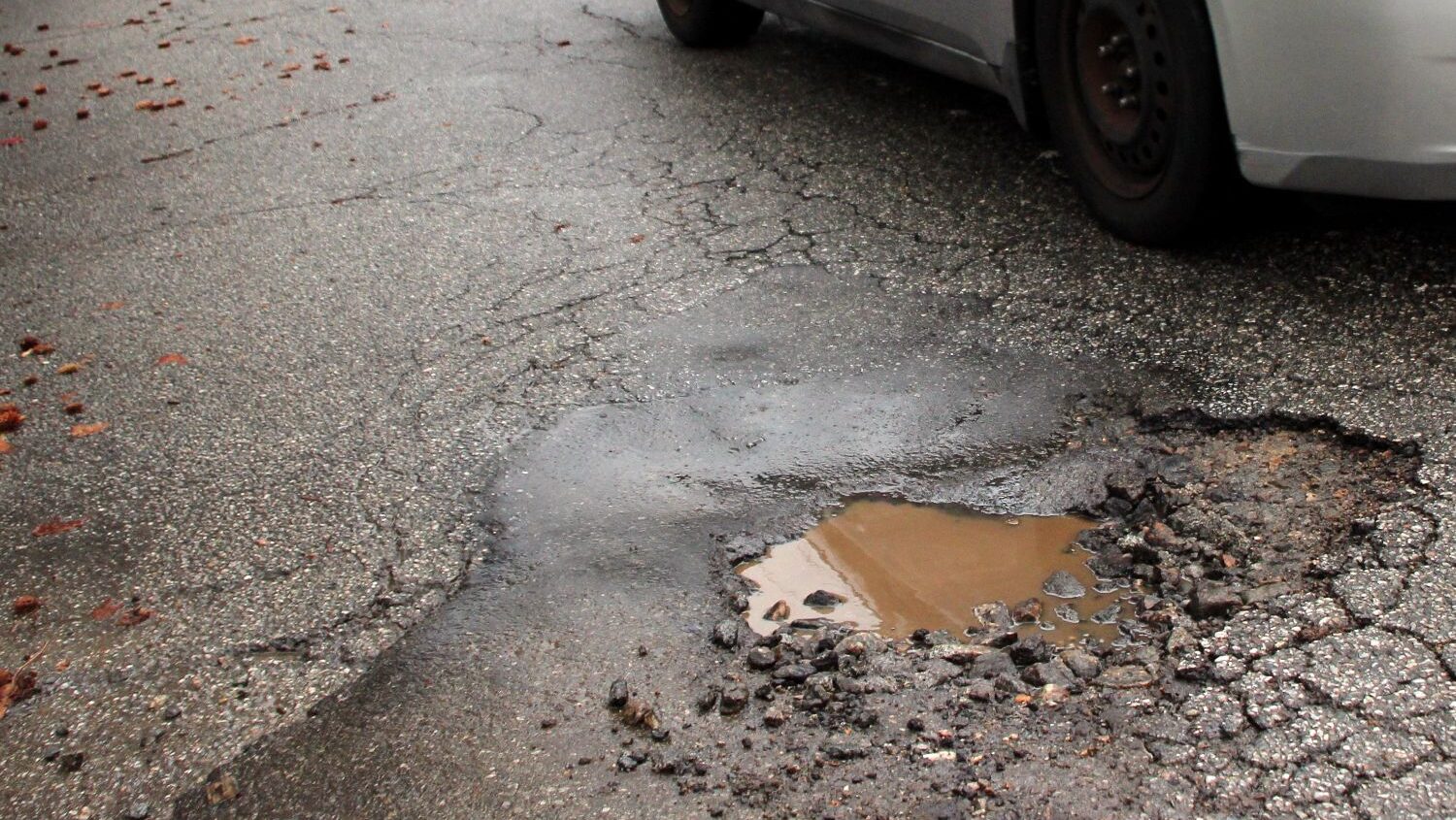
For South Pasadena voters weighing Measure SOS, the city’s proposed bond measure to repair local streets, roads, sidewalks and storm drains, one financial reality deserves attention: the longer street repairs are delayed, the more expensive they become.
Timely maintenance costs approximately $50,000 per mile. Once a street requires significant rehabilitation, the cost can reach $1 million per mile, and full reconstruction can push it to $2.5 million or more. These figures are not unique to South Pasadena. The Federal Highway Administration has determined that every dollar spent on preventive pavement maintenance saves $6 to $10 in future rehabilitation and reconstruction costs.
“No one likes paying additional taxes. But there is an important difference between spending money to maintain an asset and waiting until that asset fails and becomes dramatically more expensive to repair. When streets deteriorate, everyone pays – through vehicle damage, reduced safety and eventually much more expensive reconstruction,” said Steve Burger, a South Pasadena resident with 37 years of experience in municipal transportation and infrastructure.
Why should residents have to pay for something as basic as street repairs?
Existing transportation funds fall far short of what’s needed to address street repairs across the city. South Pasadena relies primarily on state gas tax revenues and LA County transportation measures to fund street repairs. Allocations are determined by formulas that include population, limiting the amount available to the city.

Those sources are expected to generate approximately $2.4 million this fiscal year—roughly one-quarter of the money needed to raise the city’s Pavement Condition Index (PCI) to a level where this state and county revenue can support sustainable, ongoing maintenance.
Independent engineers evaluated five funding scenarios. According to the analysis, only the bond-level funding options would raise South Pasadena’s PCI from its current “fair” rating of 54 to a “good” rating of 70. Without additional investment, the city’s current annual street spending is projected to leave the PCI at 51 over the next decade, while deferred maintenance and rising repair costs continue to compound the problem.
Taxpayers are already paying the price for South Pasadena’s deteriorating streets
Since 2016, South Pasadena has paid more than $7 million in claims related to property damage and personal injury. Over the past three years, the city’s annual insurance premium has tripled to $2.2 million.
These costs compete with funding for police, fire and other essential city services. As street conditions deteriorate, the city faces the risk of additional claims and continued increases in insurance costs.
Can’t the city find other money in its budget for street repairs?
The city anticipated this question and took steps to identify savings before turning to voters for additional funding.
In developing its 2026–27 budget, South Pasadena directed every department to eliminate discretionary spending and to identify redundancies across departments. Departments were then required to make an additional 7% in cuts. The resulting budget is balanced using known recurring revenue, and fixed labor costs represent 66% of spending.
If Measure SOS fails, the funding gap remains
Without Measure SOS, the city would face two difficult choices:
- Delay major projects until sufficient funds accumulate. Projects costing more than $2.4 million could be postponed for years while labor and material costs rise and street conditions worsen.
- Find the money elsewhere in the city budget. That would require the City Council to identify additional cuts in services and staff.
Neither option eliminates the need for repairs—or the increased cost of postponing them.
This is why many community members are voting “YES ON SOS” on November 3rd.
What Measure SOS would cost taxpayers
Measure SOS would authorize an $80 million general obligation bond, repaid over 30 years through a property tax based on assessed value, not market value. The proposed tax rate is $33 per $100,000 of assessed property value for residential and commercial properties.
The measure requires approval by two-thirds of voters because it restricts bond proceeds to street repairs within South Pasadena. The bond ordinance includes financial accountability requirements: spending would be disclosed publicly, independent audits would be conducted, and the city’s Chief Financial Officer would provide annual reports detailing how bond funds were spent during the preceding fiscal year.
This informational press release was produced and submitted to the South Pasadenan by the “South Pasadena Yes on Save Our Streets (SOS) 2026“, FPPC ID#1493450