

















Longstanding, good tenants (renters) in South Pasadena Aftermath are Now Experiencing Eviction – Due to Fully Saturated Housing Market Demand
The Eaton Fire and the January 2025 Windstorms destroyed most of Altadena and some of Pasadena, displacing over 30,000 neighboring residents, devastating businesses, and upending local economies. In response, the Los Angeles County Board of Supervisors enacted an emergency resolution to protect renters directly impacted by the disaster.
The January 2025 Wildfire and Critical Windstorm Resolution, passed on February 25, 2025, establishes temporary eviction protections for tenants who lost income due to the fires and storms. It also prohibits late fees and provides a 12-month repayment period for back rent.
However, these protections come with major limitations—they do not cancel rent, landlords can still file evictions, and tenants must fight in court to avoid displacement.
The policy is complex, and many renters may struggle to access its protections before it’s too late.
With rents rising, properties selling at record rates, and evictions increasing, the question remains: Is this policy enough to prevent an explosive housing crisis?
Understanding LA County’s Wildfire Tenant Protections
The Wildfire and Windstorm Resolution is designed to help tenants who lost income as a direct result of the disaster. Protections are in place from February 1, 2025, through July 31, 2025, unless extended.
Key Protections Under the Policy:
Eviction Protections for Nonpayment of Rent
- Tenants who lost income due to the fire or windstorms cannot be evicted for unpaid rent from February 1 – July 31, 2025.
- This applies countywide, including in incorporated cities like South Pasadena and Pasadena.
Late Fees and Interest Are Prohibited
- Landlords cannot charge penalties on unpaid rent during this period.
12-Month Repayment Period
- Tenants must repay all back rent by July 2026, giving them a year to catch up.
Affirmative Defense Against Eviction
- While landlords can still file evictions, tenants can fight them in court if they meet eligibility requirements.
Who Qualifies for Protection?
• Must have lived in the rental before January 7, 2025.
• Must have lost income due to the fire/windstorm (e.g., job loss, reduced work hours, business closures).
• Must earn less than 150% of the Area Median Income (AMI).
What’s Required of Tenants?
Monthly Self-Certification
- Tenants must notify their landlord in writing every month that they cannot pay rent.
- The notice must be under penalty of perjury, meaning false claims could have legal consequences.
Proof of Income Loss Encouraged
- Tenants are not required to submit documentation, but the County recommends providing:
- Pay stubs showing lost wages.
- Letters from employers confirming layoffs or hour reductions.
- Unemployment benefits documentation.
Evictions Can Still Proceed

- The policy does not prevent landlords from filing evictions. Instead, tenants must use this protection as a defense in court.
The Reality: Protections with Major Gaps
While the intent of the Resolution is clear—preventing disaster-related displacement—its execution is flawed. Renters must act quickly, navigate legal paperwork, and hope the court rules in their favor—all while struggling with financial recovery.
1. The Burden is on Tenants
The Resolution does not automatically prevent eviction—tenants must fight in court. Many renters, especially those who are already in crisis, may not have the resources or knowledge to navigate the system.
- Many renters don’t realize they must file a legal response within days of receiving an eviction notice.
- Court processes are complex, and legal representation is expensive—even though free services exist, they are often overwhelmed.
2. Rent is Still Owed, Creating a Future Debt Crisis
Unlike some past pandemic-era protections, this policy does not cancel rent—it only delays payment.
- Low-income renters may struggle to pay off accumulated rent debt by July 2026.
- This could lead to a surge in evictions once protections expire.
3. Landlords Can Still Evict for Other Reasons
The policy only protects against eviction for nonpayment of rent due to the disaster.
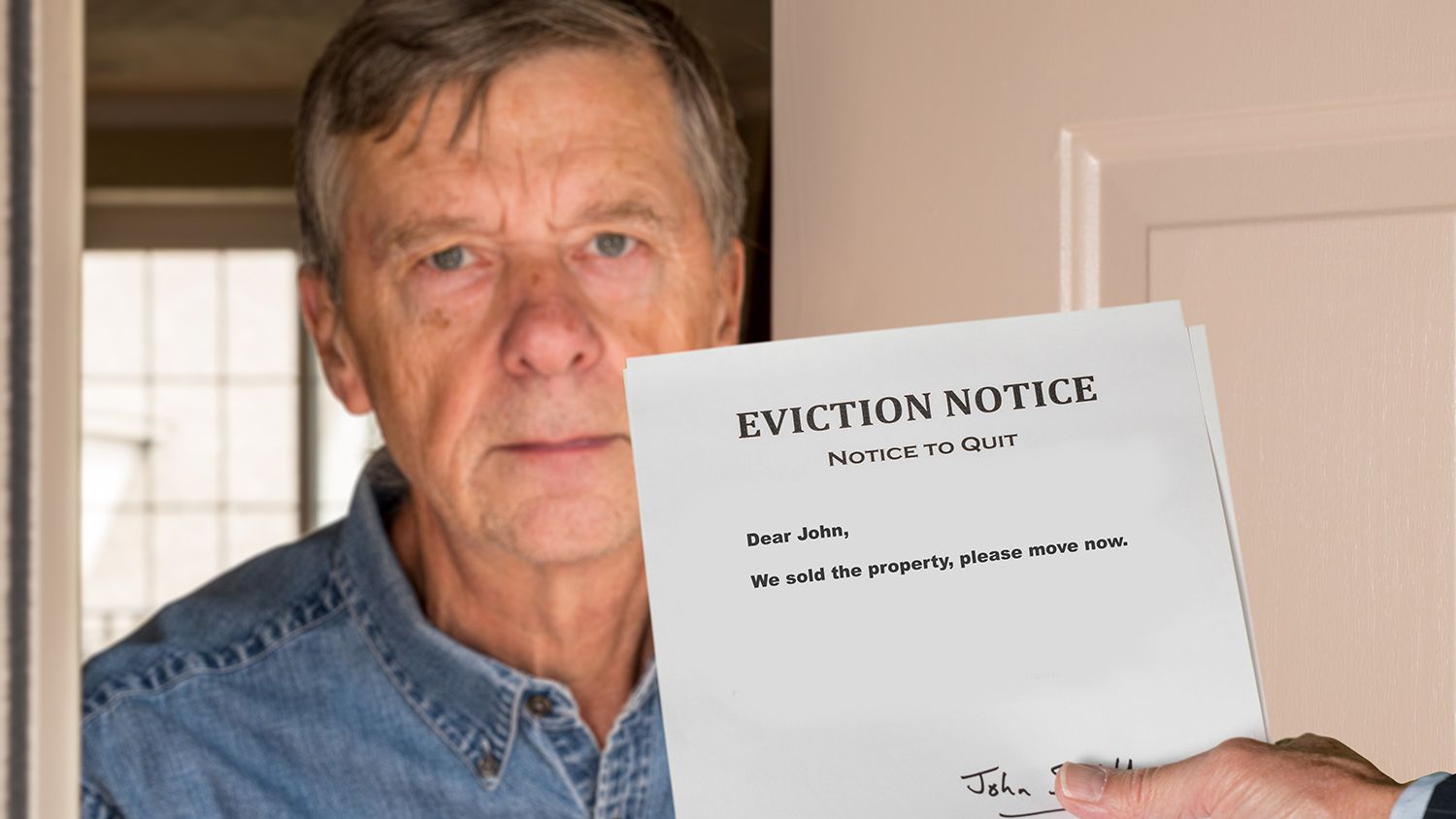
- If a landlord wants to sell a property, move in, or remove the unit from the market, they can still evict tenants.
- This leaves many renters at risk, particularly as property sales increase across LA County.
How Do These Protections Compare to Pasadena and South Pasadena?
While LA County’s emergency resolution provides temporary eviction relief, local ordinances in Pasadena and South Pasadena offer stronger long-term tenant protections—though with key differences.
| Policy | LA County (Wildfire Resolution) | South Pasadena (Just Cause Ordinance) | Pasadena (Measure H) |
|---|---|---|---|
| Eviction Protection for Nonpayment | ✅ Yes, but tenants must fight in court | ❌ No specific policy | ❌ No specific policy |
| Just Cause Required for Evictions | ❌ No, landlords can still evict for other reasons | ✅ Yes, but with exemptions | ✅ Yes, strictest protections |
| Relocation Assistance for Evicted Tenants | ❌ No | ✅ Yes, for no-fault evictions | ✅ Yes, higher amounts for vulnerable tenants |
| Rent Increase Limits | ✅ 10% cap under Newsom’s order | ❌ No city-specific rent control | ✅ Yes, rent control on pre-1995 units |
| Duration of Protections | Expires July 31, 2025 | Ongoing | Ongoing |
While Pasadena’s Measure H offers the strongest tenant protections, South Pasadena’s Just Cause Ordinance provides some safeguards, but neither has a specific policy addressing disaster-related evictions like LA County’s resolution.
However, South Pasadena and Pasadena offer permanent protections, whereas LA County’s policy is temporary and puts renters at risk of future eviction once it expires.
The Bigger Picture: Property Sales, Evictions, and Displacement
Beyond fire-related protections, another major crisis is unfolding—landlords are selling properties at an increasing rate, leading to evictions.
What Happens When a Rental Property is Sold?
- Pasadena’s Measure H prohibits eviction due to sale—tenants can only be removed for specific, just-cause reasons (e.g., owner move-in).
- South Pasadena requires just cause, but small landlords are exempt, meaning tenants in single-family rentals can be evicted with 60 days’ notice.
- LA County’s wildfire policy does not stop evictions related to sales, meaning tenants in Altadena and other unincorporated areas face significant risk.
Click to read this article for more details on tenant rights and lease protections when a rental property is sold in Pasadena and South Pasadena.
The Connection Between Disaster Protections and Housing Policy
- Without long-term rent stabilization or additional tenant protections, renters will remain vulnerable.
- The end of the wildfire protections in July 2025 could result in mass evictions, especially for those still recovering financially.
Now What? Temporary Fix, Long-Term Uncertainty
LA County’s Wildfire and Windstorm Resolution is an important step toward preventing immediate displacement, but it relies on renters being able to navigate complex legal systems. Many tenants—especially those who lost jobs, homes, or are unfamiliar with their rights—may fall through the cracks.
Groups Are Organizing to Implore Representation from Their Elected Officials. South Pasadena’s residents are comprised of more than 52% renters – the Majority are long-term, or very long-term with families.
- Tenants must act quickly to use the policy’s protections, filing legal responses if they receive an eviction notice.
- Pasadena and South Pasadena renters should stay informed about local just-cause protections that offer longer-term security.
- Housing advocates are calling for extended protections beyond July 2025, arguing that recovery from the fire will take longer than six months.
As rents rise, properties sell, and evictions increase, one thing is clear: this crisis is happening right now, and growing fast.
For renters seeking help, visit:
Disclaimer: This page contains general information and is not legal advice. Readers should consult an attorney for advice on their rights and responsibilities related to the Resolution. Laws are frequently amended, and it is the responsibility of the reader to be informed about their particular situation, and consult a licensed professional regarding the complex matters of housing right in Los Angeles County.