











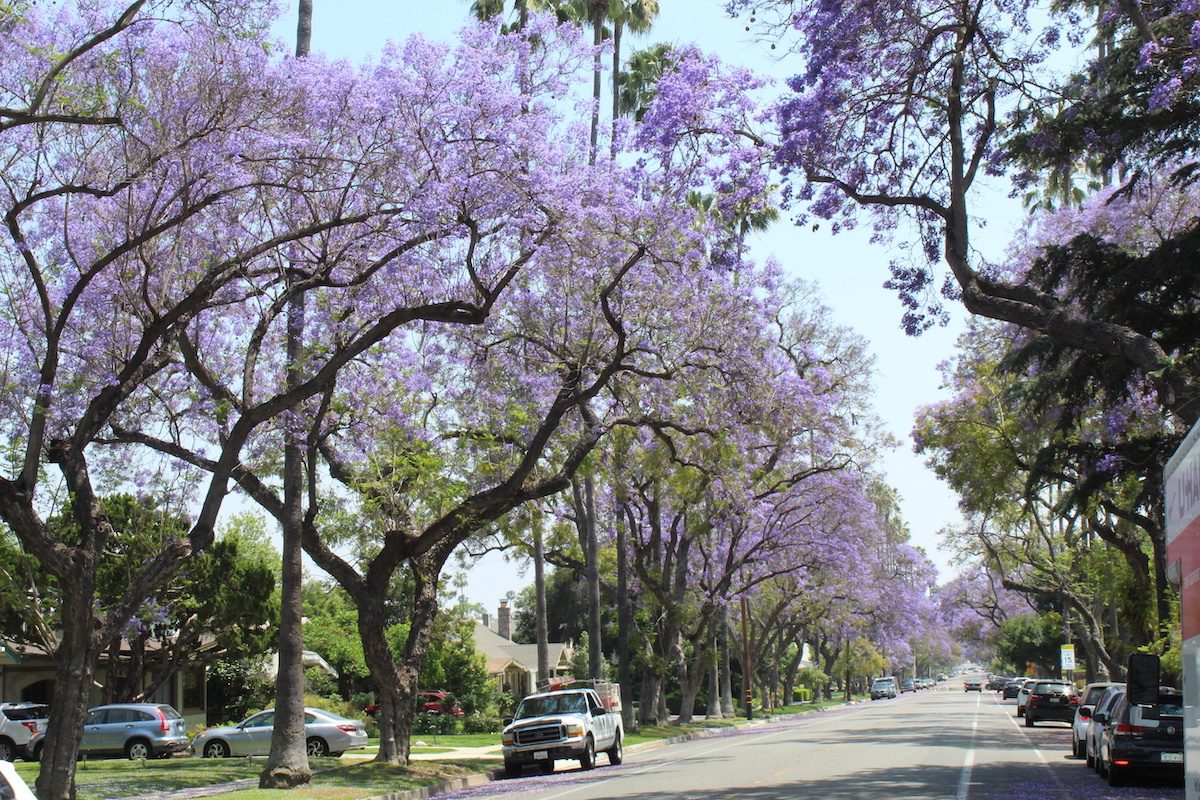

South Pasadena’s lush tree canopy is more than just a beautiful backdrop; it plays a crucial role in the city’s environmental health, urban charm, and historical identity. The city’s Tree Ordinance outlines strict regulations for the removal, trimming, and replacement of trees, ensuring the protection of its urban forest while balancing property owner rights and community benefits.
Does the South Pasadena City Tree Ordinance need to be revised? Maybe even totally overhauled? That question has been raised by many residents, local design-builders, and even some councilmembers. Many residents argue that the ordinance is overly complicated, with a web of rules, permits, and fines that can feel excessive or even nonsensical.
In an era of major development and big changes to the cityscape, some believe it’s time for a more efficient, practical approach. The recap summary below aims to simplify the complexities of the South Pasadena Tree Ordinance and provide clarity for residents navigating its requirements.
We love our trees, but most residents and commercial property owners do not love how the ordinance is structured. Be on the lookout for this issue to be parsed in the coming months at City Hall.
Understanding the Current South Pasadena Tree Ordinance
The Tree Ordinance was first adopted in 1991 and has since been reinforced to further protect South Pasadena’s green landscape. The city has been recognized as a Tree City USA by the National Arbor Day Foundation for its commitment to maintaining tree coverage. The ordinance is managed by the Public Works Department, which has a certified arborist on staff to oversee compliance. The Natural Resources and Environmental Commission (NREC) plays a critical role in reviewing appeals and making final determinations in disputed cases.

Which Trees Are Protected?
The ordinance classifies the following trees as protected, meaning they cannot be removed or heavily pruned without city approval:
- Oak Trees – All species of oak are automatically protected.
- Native Species Trees – Includes California walnut, sycamore, toyon, and elderberry.
- Heritage Trees – Trees designated as historically or culturally significant.
- Mature & Significant Trees – Any tree with a trunk diameter of 4 inches or more is considered protected, regardless of species.
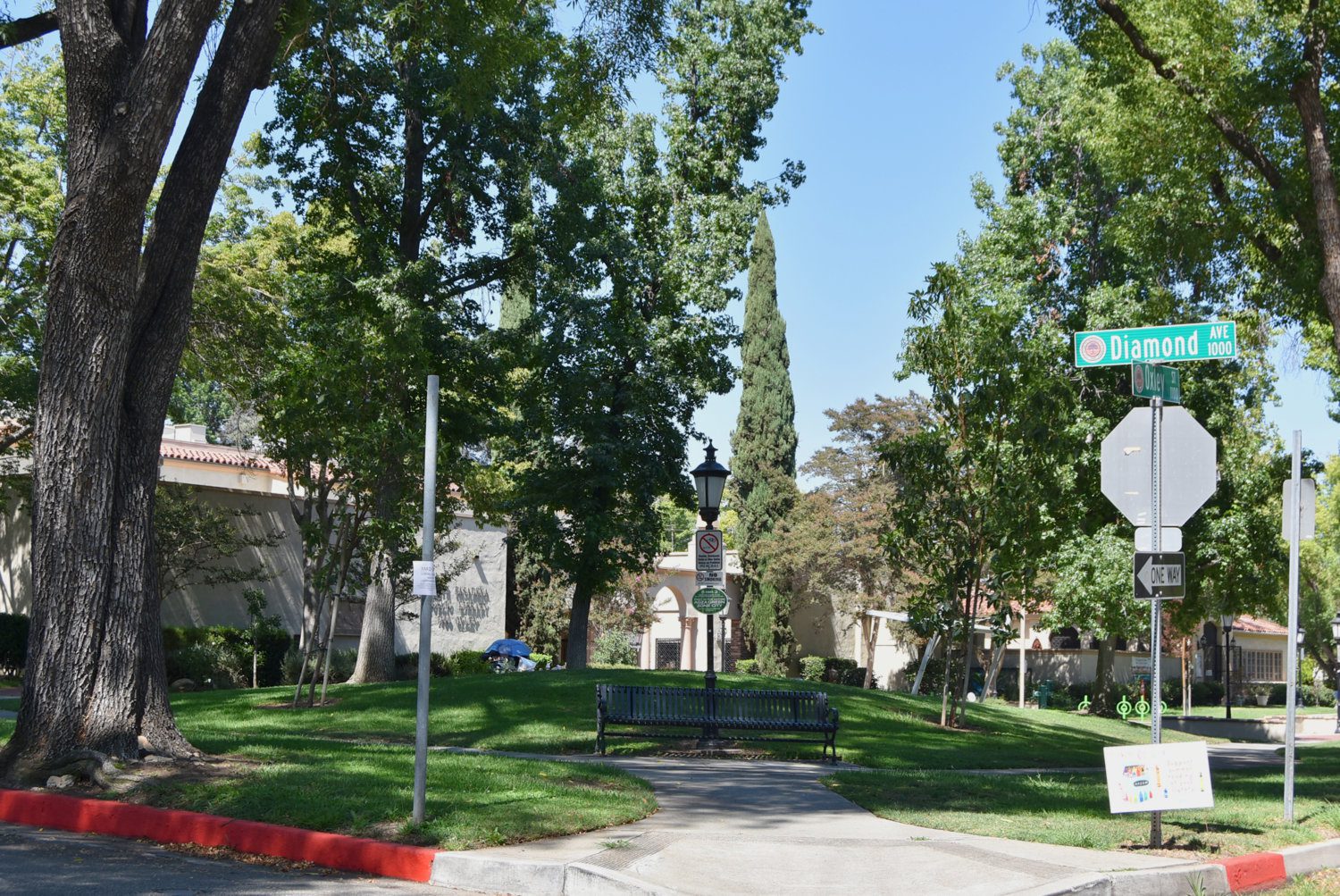
- Public Parkway Trees – Trees growing between the sidewalk and street are city property and cannot be removed by homeowners.
When Can a Tree Be Removed?
Tree removals are only allowed under specific conditions:
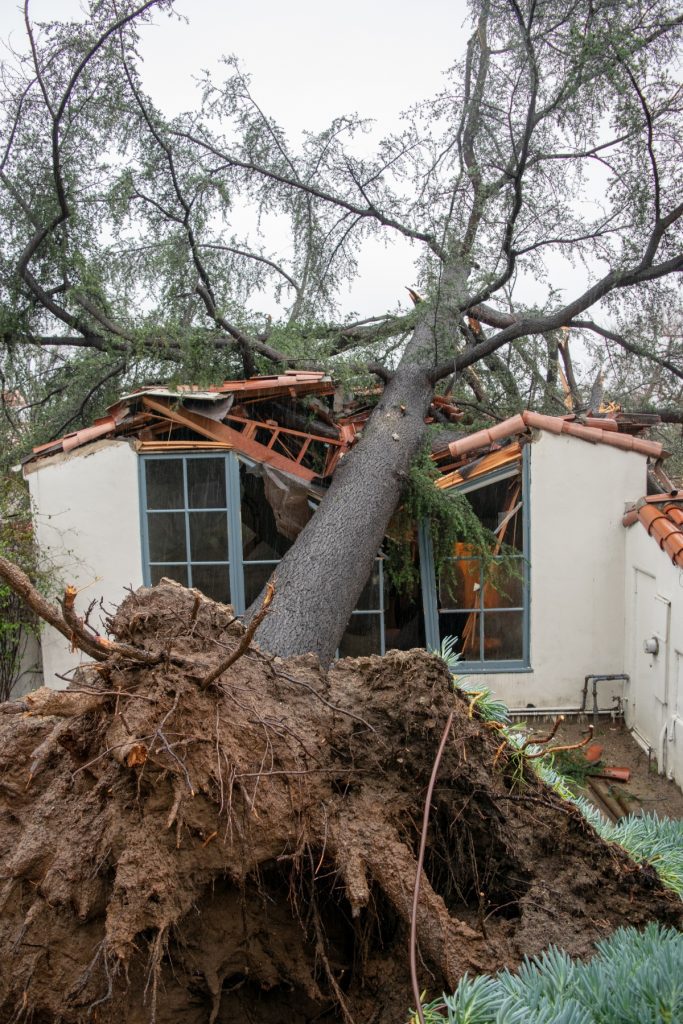
- Risk to Safety or Property – The tree or its limbs pose a reasonable risk of injury or harm, and there is no feasible alternative solution.
- Structural Interference – The tree is interfering with a structure or building, provided that interference cannot be mitigated through trimming or minor modifications.
- Hardship to Property Owner – Denying removal would create an unreasonable hardship for the property owner.
- Disease or Death – A certified arborist must confirm that the tree is diseased, dead, or a threat to surrounding trees.
- Greater Environmental Benefit – The removal would allow for improved tree coverage, such as planting more trees, switching to native species, or reducing water/energy use.
Note: Tree removal is not allowed for aesthetic reasons, minor sidewalk or fence damage, or issues with plumbing pipes (as these can typically be rerouted).
Permit Process & Appeals
To remove a tree, property owners must:
- Submit an application to the Public Works Department, including tree species, diameter, location, and reason for removal.
- Provide a certified arborist’s report if claiming the tree is dead, diseased, or hazardous.
- Submit a site plan if the tree is near structures or part of a larger development.
- Pay the permit fee (varies based on number of trees and complexity of case).
- If denied, appeal to the Natural Resources and Environmental Commission (NREC).
For removals involving three or more trees, the city requires a public notification process, where neighbors within 100 feet of the property have 15 days to submit objections before the permit is finalized.
Tree Replacement Requirements
If a permit is approved, property owners must plant new trees to replace what was removed:
- 1 replacement tree per 10 inches of trunk diameter removed.
- 2 replacement trees per 10 inches for native species trees.
- 1 replacement tree per 6 inches for trees removed as part of a development project.
- 2 replacement trees per 6 inches for native species in development projects.
If planting on-site is not possible, owners can donate trees to the city for planting in public areas.
Enforcement & Penalties
The ordinance is strictly enforced, with penalties for noncompliance:
- Fines exceeding $8,000 for unauthorized tree removal.
- Mandatory replacement planting within 90 days of permit approval.
- Final city inspection required before replacement trees are considered in compliance.
- Root barriers required for trees planted near sidewalks to prevent infrastructure damage.
Environmental & Community Impact
South Pasadena’s commitment to tree preservation has earned the city accolades and a strong environmental reputation. Trees provide shade, reduce heat, improve air quality, and offer habitat for wildlife. The ordinance helps maintain these benefits while ensuring property owners follow a structured and fair process.
The community strongly supports tree preservation, often speaking out at city meetings when significant trees are at risk. Public engagement and awareness campaigns emphasize the value of urban forestry in combating climate change, reducing energy costs, and maintaining neighborhood character.
What Residents Can Do
- If you’re considering tree removal or major pruning, check with the city first to avoid penalties.
- Work with a certified arborist if you suspect a tree is diseased or hazardous.
- Participate in public discussions when tree removal applications affect your neighborhood.
- Plant native species when replacing trees to support the local ecosystem.
The Tree Ordinance has serviced South Pasadena’s green-oasis livability, and has played a vital role in preserving the city’s greenery for future generations. The city encourages all residents to be proactive stewards of the urban forest, ensuring South Pasadena remains a beautiful, sustainable, and livable community.