











As district leaders celebrate top-tier state test scores, a growing coalition of concerned parents is pleading for a hard pause on generative artificial intelligence, fearing technology is outpacing student well-being.
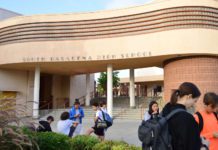
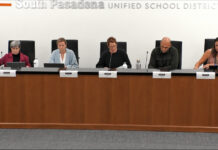
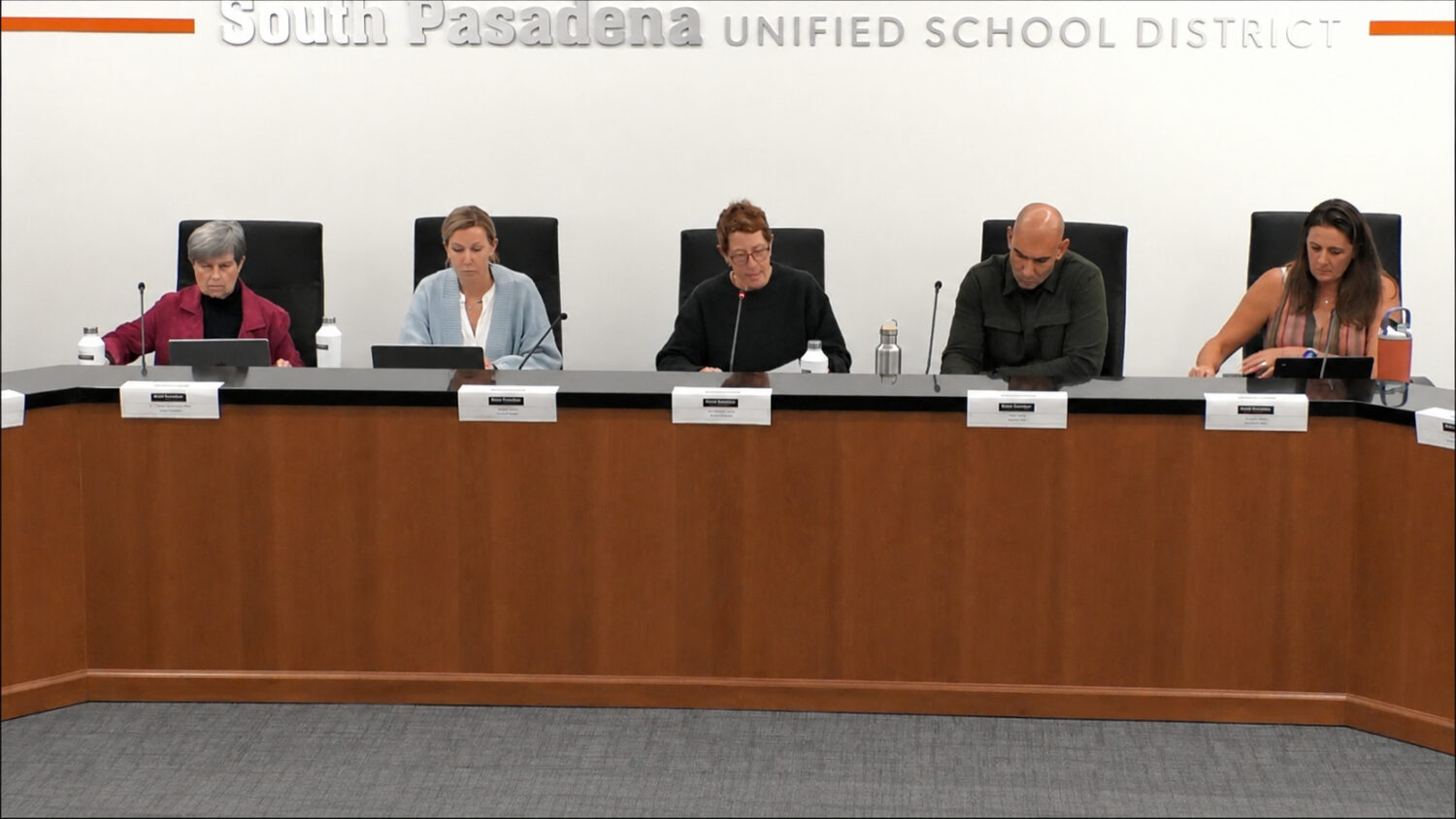
Matt and Christina Lividari hired a local South Pasadena High School student to babysit their children on a Tuesday night for one specific reason: they needed three minutes at the public microphone. During the South Pasadena Unified School District (SPUSD) Board of Education meeting on October 13, 2026, the couple joined a chorus of local parents urging the district to implement strict limitations on generative artificial intelligence. The evening’s discussions highlighted a community grappling with the rapid encroachment of AI and smartphones into the academic lives of its children, even as the district celebrates robust academic success.
The Push For A Generative AI Moratorium
Parents arrived armed with research and deep concerns regarding Draft Board Policy 0441, which addresses the use of generative AI on district devices. While the district currently blocks AI on school-issued Chromebooks, students have easily bypassed these filters.
Mark Dias, a local parent and tech entrepreneur who holds five patents in artificial intelligence, urged the board to take a cautious approach. “I do really see how AI can be very valuable to us as a society,” Dias said. “But when it comes to our kids, we do not know much about how this technology works… all I ask is that we pump the brakes and go slower”.

Other parents, including Nick Ellsberg, pointed to recent actions by massive districts like Los Angeles Unified and New York City Public Schools, asking SPUSD to place a strict moratorium on student AI use. Ellsberg argued that an over-reliance on AI chatbots prevents critical thinking and problem-solving skills from fully developing.
Smartphones and the Toll on Student Well-being
The conversation naturally bled into the ongoing battle over smartphones in the classroom. Parent Rebecca Shankula detailed how middle school students routinely use their phones to watch Netflix, browse TikTok, or discreetly ask Siri to access ChatGPT during class time.
Katie Femia, another parent, struck an emotional chord by referencing the “September sadness” that students reportedly feel upon returning to school, a sentiment previously noted by Student Board Member Batia Lu. Femia questioned the wisdom of surrounding stressed students with addictive technology.
“Do we want them to be working on a device that makes it easy to complete a task without actually understanding it?” Femia asked the board.
Refining AI Policies
Following the extensive public comments, the SPUSD Board of Education heavily debated the language of the draft AI policy. Board members and Superintendent Dr. Angela Baxter acknowledged the year-long effort by the Ed Tech Committee to establish foundational guardrails.
The board worked collaboratively to tighten the proposed policy’s language before it returns for a formal vote. Key revisions discussed by the board included:
-
Changing the policy terminology from stating AI is “restricted” to explicitly stating it is “blocked”.
-
Clarifying that educator use of AI should be strictly for scaffolding, modifying, or accommodating instruction, rather than acting as a substitute for teaching.
-
Adding requirements for staff to properly cite generative AI using MLA and APA formatting if it is used to generate class materials or rubrics.
Despite the heavy focus on modern technological anxieties, the district has verifiable reasons to celebrate its traditional academic metrics. Preliminary California Assessment of Student Performance and Progress (CAASPP) scores show SPUSD remaining in the top five unified school districts in the state.
Current proficiency rates stand at 83% for English Language Arts and 80% for Mathematics. Furthermore, Advanced Placement (AP) passage rates climbed to 96% in the 2025-2026 school year, boasting a perfect 100% passage rate in Calculus BC and Chemistry.
The district also received a positive financial update from Michael Innehosa of the Measure S Citizens Oversight Committee. The Measure S parcel tax generated $2.9 million during the 2025-2026 school year, directly funding essential support staff, art programs, computer science, and library technicians.
As the district charts its path forward into an increasingly digital landscape, the board is expected to vote on the revised AI policy in November.
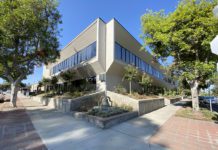
To participate in the ongoing conversation regarding student technology use and the forthcoming generative AI policy, residents should attend the next regular SPUSD Board of Education meeting in November. Community members can review the updated Draft Policy 0441, view upcoming agendas, and find the official board meeting schedule by visiting the district website at spusd.net. Meetings are held in person at the SPUSD District Office Board Room, located at 1100 El Centro Street in South Pasadena.